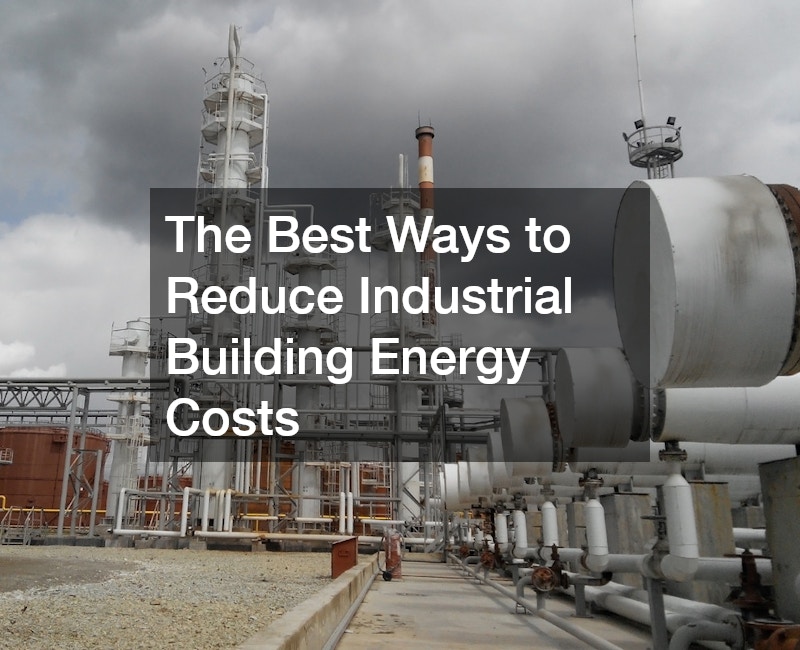
In the modern industrial landscape, energy efficiency is no longer just a trend—it is a financial and operational necessity. Large-scale facilities, from warehouses to manufacturing plants, face escalating utility costs that can significantly erode profit margins. Managing a massive footprint requires a multi-faceted approach that looks beyond simple thermostat adjustments. It involves a holistic view of the building’s envelope, mechanical systems, and daily operational habits.
By optimizing the way an industrial building consumes energy, owners can see a substantial return on investment. This guide explores deep-dive strategies to audit your current consumption, upgrade your infrastructure, and utilize the latest technology to ensure your facility remains competitive and sustainable for years to come.
Conducting a Comprehensive Energy Audit
Before implementing any changes, you must establish a baseline. An energy audit reveals where your facility is “leaking” money. This process involves analyzing utility bills from the past two years, inspecting HVAC systems, and identifying gaps in insulation. Professional auditors use thermal imaging to see heat loss that is invisible to the naked eye.
When you begin looking at the external structure during this audit, you might notice wear and tear that affects thermal retention. If you see signs of degradation on the upper levels of the facility, it may be time to consult with commercial roofing companies to determine if the structural integrity is compromising your climate control. Many managers overlook the fact that a failing exterior forces the HVAC system to work twice as hard. Seeking local roof estimates during the auditing phase allows you to budget for necessary repairs while calculating the potential energy savings a new system might provide.
Optimizing High-Efficiency Lighting Systems
Lighting typically accounts for a significant portion of industrial energy use. Transitioning to LED technology is the “low-hanging fruit” of energy efficiency. LEDs consume up to 75% less energy than traditional incandescent or HID lighting and last significantly longer, reducing maintenance labor costs.
- Occupancy Sensors: Install sensors in zones that are not constantly occupied, such as loading docks or storage aisles.
- Daylight Harvesting: Use sensors that adjust artificial light levels based on the amount of natural light entering through skylights.
- High-Bay LED Retrofitting: Specifically designed for ceilings over 20 feet, these provide superior lumen output with minimal draw.
Updating your lighting also provides an opportunity to inspect the ceiling and supports. Often, a local roofer can install high-efficiency skylights during a standard maintenance check, allowing you to rely even more on natural light. This integration of lighting and structural roofing updates creates a synergy that slashes daytime electricity spikes.
Enhancing Thermal Performance Through Insulation
Industrial buildings are often giant “heat boxes” or “ice boxes,” depending on the season. Without proper insulation, the energy used to heat or cool the interior escapes through the walls and the top of the structure. Spray foam and rigid board insulation are common solutions for maintaining a steady internal temperature.
If your facility suffers from extreme temperature swings, it is often a sign that the overhead protection is failing. Engaging in commercial roof repairs can seal leaks and gaps where conditioned air escapes. This is a critical step because even the best indoor insulation cannot compensate for a breach in the primary barrier. Many roofing contractors recommend adding a high-R-value cover board during these repairs to bolster the building’s thermal resistance significantly.
Implementing Smart HVAC Controls and Maintenance
HVAC systems in industrial settings are complex and energy-intensive. Regular maintenance is non-negotiable for efficiency. A system with clogged filters or leaking ducts can see an efficiency drop of 20% or more.
Beyond maintenance, smart technology offers granular control:
- Variable Frequency Drives (VFDs): These allow motors to run at speeds matched to the required load rather than full blast.
- Building Management Systems (BMS): Centralized software that monitors and controls heating, cooling, and ventilation across multiple zones.
- Programmed Setpoints: Ensuring the system scales back during non-operational hours or weekends.
The health of your HVAC unit is directly tied to the environment it sits in. For units located on the exterior, ensure the surrounding surface is reflective. A professional roofing business can apply “cool roof” coatings that reflect UV rays, keeping the air around the intake units cooler. This reduces the workload on the machinery, extending its lifespan while providing a wider range of specialized roofing services for the facility manager to consider.
The Role of Reflective and Sustainable Materials
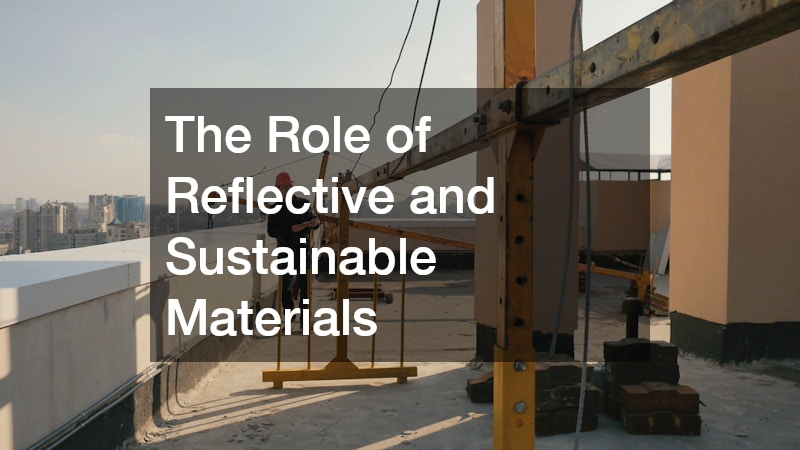
The color and material of your building’s exterior play a massive role in heat absorption. Dark surfaces act as thermal sponges, soaking up solar energy and transferring it into the workspace. This “heat island” effect can raise internal temperatures by several degrees. To combat this, it’s essential to choose lighter colors or materials that reflect rather than absorb sunlight.
Switching to a metal roofing system is one of the most effective ways to combat solar gain. These systems are highly reflective and can be treated with specialized pigments to further deflect heat. When you work with local metal roofers, they can install standing seam systems that allow for easy integration of solar panels. This not only enhances the energy efficiency of the building but also contributes to sustainability. Additionally, metal roofs tend to have a longer lifespan and require less maintenance compared to traditional roofing materials. By opting for a metal roofing system, you can significantly reduce your energy costs and minimize your building’s ecological footprint.
Maximizing Efficiency Through Building Envelope Sealing
While insulation is vital for maintaining energy efficiency in large industrial plants, air infiltration often poses a significant challenge that can undermine these efforts. This phenomenon, sometimes referred to as the “silent killer” of energy efficiency, occurs when tiny gaps and cracks around loading dock doors, window frames, and structural joints allow conditioned air to escape while permitting humid, unfiltered air to infiltrate. These seemingly minor openings can have substantial consequences, leading to increased energy bills and placing excessive strain on air filtration systems that are designed to maintain a clean and safe manufacturing environment.
The effects of air infiltration extend beyond energy costs; it can also compromise the effectiveness of temperature control and humidity levels within the facility. Fluctuations in the internal environment can negatively impact both product quality and worker comfort, making the prevention of air leaks not just a matter of energy savings, but also one of operational efficiency and employee well-being.
Fortunately, there are several effective solutions to combat air infiltration. Weatherstripping is a straightforward and inexpensive fix that involves sealing gaps around doors, windows, and other openings to prevent air leaks. By choosing high-performance weatherstripping materials, plant managers can ensure a tight seal that stands up to the rigors of industrial operations.
For larger gaps, especially those found at the interfaces where walls meet the upper structure, industrial-grade expanding foams can provide a more permanent and robust solution. These foams expand upon application, filling voids and creating an airtight seal that significantly reduces air exchange. This is particularly important in areas subjected to higher levels of air pressure fluctuations or where heavy machinery operates, as these regions tend to be more prone to air leaks.
By investing in these preventative measures, industrial facilities can ensure that their building envelope is tightly sealed. A well-sealed building allows HVAC systems to operate more efficiently by reducing the frequency of cycling on and off, which in turn saves energy and prolongs the lifespan of the equipment. Additionally, maintaining a stable internal environment minimizes the impact of external weather fluctuations, reducing the risk of condensation and other moisture-related issues that can lead to structural damage and health hazards.
Overall, addressing air infiltration is a crucial step in enhancing energy efficiency, operational reliability, and the overall sustainability of large plants, as well as improving conditions for employees and protecting valuable assets.
The Impact of Industrial Door Technology
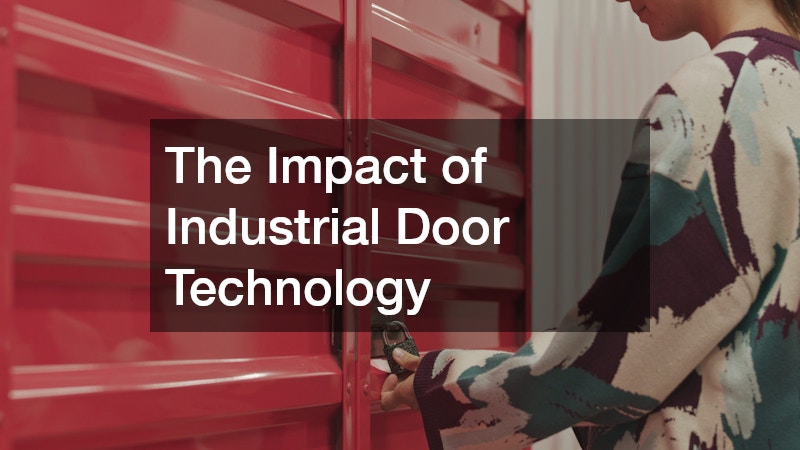
Loading docks are the primary point of energy loss for many warehouses. Every time a massive bay door opens, the building essentially “exhales” its temperature-controlled air. Traditional roll-up doors move slowly, leaving a wide-open mouth for heat exchange for minutes at a time.
Investing in high-speed doors can drastically change this dynamic. These doors open and close in seconds, minimizing the time the building is exposed to the elements. Additionally, dock seals and shelters provide a gasket-like fit between the truck trailer and the building wall, ensuring that the loading process doesn’t result in a total loss of internal climate control. For facilities that handle cold storage, these upgrades are not just helpful—they are critical for preventing food spoilage and equipment icing.
Managing Peak Demand and Load Shifting
Utility companies often charge industrial users based on “peak demand”—the highest amount of power used during a specific window. To lower bills, facilities can practice “load shifting.” This involves moving energy-intensive processes, such as heavy machinery operation or battery charging for forklifts, to off-peak hours (usually late at night).
- Energy Storage Systems: Large batteries can store energy when prices are low and discharge it during peak hours.
- Staggered Start-ups: Avoid turning on all heavy equipment simultaneously in the morning to prevent a massive demand spike.
- Power Factor Correction: Using capacitors to reduce the amount of reactive power the utility must provide.
Compressed Air System Efficiency
Compressed air is often referred to as the “fourth utility” in manufacturing, and it is notoriously inefficient. Up to 30% of the energy used to create compressed air is lost to leaks. Reducing the pressure to the lowest possible setting required for the task can result in immediate savings.
- Leak Detection: Use ultrasonic leak detectors to find and fix small hisses in the lines.
- Receiver Tanks: Add extra storage capacity to the system so the compressor doesn’t have to cycle as frequently.
- Heat Recovery: Capture the heat generated by the compressor and duct it into the warehouse for space heating during winter.
Employee Training and Cultural Shifts
Technology and infrastructure only go so far; the people inside the building must be part of the solution. An “energy-aware” culture can lead to thousands of dollars in savings through simple habit changes.
- Shutdown Checklists: Ensure all machines, computers, and non-essential lights are off at the end of each shift.
- Feedback Loops: Share energy savings data with employees to show them the impact of their efforts.
- Incentive Programs: Reward teams that come up with innovative ways to reduce waste in their specific departments.
Leveraging Solar and Renewable Integration
As energy prices continue to fluctuate, many industrial owners are looking toward energy independence. Large flat-roofed buildings are the perfect candidates for solar photovoltaic (PV) arrays. By generating electricity on-site, a facility can drastically reduce its reliance on the grid during high-cost daytime hours.
Beyond solar, some facilities are exploring geothermal heat pumps or small-scale wind turbines, depending on their geographic location. Even if a full off-grid transition isn’t feasible, a hybrid approach allows for significant “peak shaving,” where the renewable source handles the bulk of the load during the sunniest parts of the day. This strategic move protects the business from future utility price hikes and improves the brand’s sustainability profile for stakeholders and customers alike.
Water Conservation and Heating
While often overlooked in energy discussions, the energy required to heat and move water is significant. In industrial cleaning or processing, optimizing water use directly correlates to lower gas or electric bills.
- Low-Flow Fixtures: Install high-efficiency nozzles on wash-down hoses.
- Tankless Water Heaters: Switch to point-of-use heating to avoid keeping large volumes of water hot in a tank all day.
- Insulated Piping: Ensure all hot water pipes are wrapped to prevent heat loss during transit across the facility.
Long-Term Strategic Planning
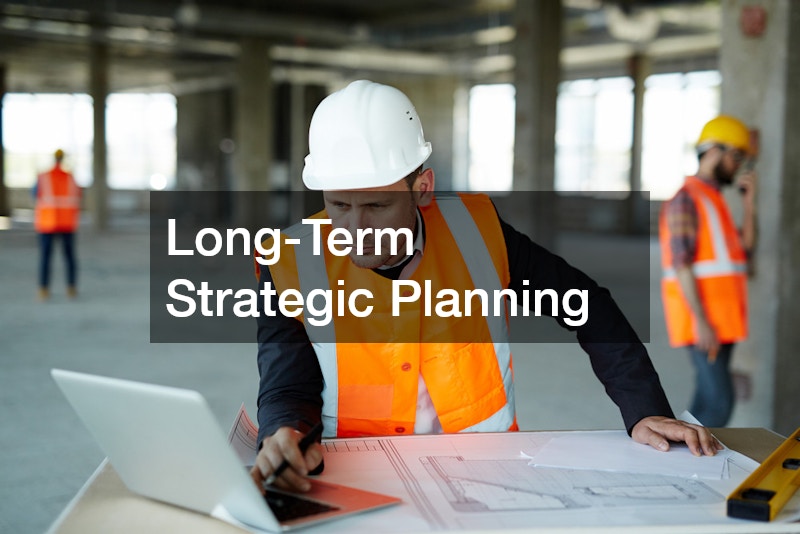
Energy efficiency is an ongoing journey rather than a one-time project. By combining structural upgrades, mechanical maintenance, and employee engagement, industrial facilities can transform their overhead costs. The initial investment in better materials and smarter technology pays for itself through lower monthly bills and increased equipment longevity.
A well-maintained building is an efficient building. From the foundation to the highest point of the structure, every component plays a role in how energy is utilized. Taking a proactive stance today ensures that your operations remain lean, green, and profitable in an increasingly expensive energy market. Regular inspections and a commitment to modern standards will keep your industrial facility running at peak performance for decades.