
Start Your Renovation with a Clear Plan and Purpose
Starting a home renovation is exciting, but without the right preparation, it can quickly become overwhelming. Many homeowners jump into projects focused on design ideas or inspiration they’ve seen online, only to realize later that they overlooked critical planning steps. A successful renovation is not just about how your home will look—it’s about how it will function, how long it will last, and how well it fits your lifestyle.
Before picking out finishes or hiring contractors, it’s essential to understand the full scope of your project. This includes identifying your goals, setting a realistic budget, and anticipating potential challenges. Renovations often uncover hidden issues, especially in older homes, so being prepared for the unexpected is key.
Taking the time to plan thoroughly allows you to avoid delays, reduce stress, and make smarter decisions throughout the process. It also helps you communicate more effectively with professionals and ensures that every part of your project works together seamlessly.
In this guide, you’ll learn what to consider before starting a renovation, along with practical tips to help you navigate each stage with confidence.
Define Your Goals and Project Scope Clearly
Every successful renovation begins with a clear understanding of what you want to achieve. Without defined goals, it’s easy for a project to expand beyond your original vision, leading to unnecessary costs and delays. Start by identifying the primary purpose of your renovation. Are you improving functionality, updating outdated spaces, increasing property value, or all of the above?
When planning a remodeling project, it’s helpful to break your goals into categories such as must-haves, nice-to-haves, and future upgrades. This prioritization helps guide decisions when budget or time constraints come into play. It also ensures that essential improvements are completed even if adjustments need to be made along the way.
Working with a professional remodeling service can help refine your ideas and turn them into a realistic plan. These experts can assess your space, suggest design improvements, and identify potential challenges before work begins. They also help align your vision with what’s structurally and financially feasible.
Clear communication is critical at this stage. The more specific you are about your expectations, the easier it will be to keep the project on track. Establishing a well-defined scope early on sets the foundation for a smoother renovation experience and helps prevent costly changes later.
Set a Realistic Budget with Contingency Planning
Budgeting is one of the most important aspects of any renovation, yet it’s often underestimated. Many homeowners focus only on visible upgrades, overlooking the hidden costs that can arise during construction. A comprehensive budget should include materials, labor, permits, and a contingency fund for unexpected expenses.
Older homes, in particular, may require restoration work before cosmetic improvements can begin. Issues such as outdated wiring, water damage, or structural wear can add to your overall costs. Identifying these possibilities early helps you plan more effectively and avoid financial surprises.
Experts recommend setting aside at least 10–20% of your budget for contingencies. This cushion allows you to handle unforeseen issues without derailing your project. It also gives you flexibility if you decide to upgrade materials or features during the renovation.
Staying organized is key to managing your budget. Track expenses carefully and review them regularly to ensure you’re staying within your limits. Making informed decisions about where to invest and where to save helps you get the most value from your renovation while keeping costs under control.
Hire the Right Professionals for Each Phase
Choosing the right professionals can make or break your renovation, as each phase of the project depends on specialized skills and attention to detail. Hiring experts for specific tasks not only improves the quality of the work but also helps keep your project on schedule and within budget. Generalists may be able to handle multiple areas, but specialists often deliver more refined and long-lasting results.
For example, a skilled house painter brings precision and attention to detail that can dramatically improve the final look of your space. Beyond simply applying paint, they understand how to properly prepare surfaces, select the right products for different environments, and use techniques that ensure even coverage and durability. This level of expertise can make a noticeable difference in both appearance and longevity.
Similarly, drywall contractors play a crucial role in preparing walls and ceilings. They handle installation, repairs, and finishing, creating a smooth surface that serves as the foundation for painting and other design elements. Even minor imperfections in drywall can become highly visible once painted, so working with experienced professionals helps avoid costly corrections later.
When hiring contractors, it’s important to go beyond basic research. Verify licenses, confirm insurance coverage, and ask detailed questions about timelines and past projects. Comparing multiple quotes gives you a better understanding of market rates while helping you identify professionals who balance quality with value. Clear communication, detailed contracts, and defined expectations ensure everyone stays aligned throughout the renovation process.
Understand When Structural or Damage Repairs Are Needed
Before focusing on aesthetics, it’s important to address any underlying structural or damage-related issues. Renovations often reveal hidden problems that must be fixed to ensure the safety and longevity of your home.
A restoration company can help identify and repair damage caused by water, fire, mold, or aging materials. These issues may not always be visible at first but can significantly impact the integrity of your home if left untreated. Addressing them early prevents further deterioration and protects your investment.
Skipping necessary repairs can lead to complications later in the project. For example, installing new finishes over damaged structures can result in costly rework if the underlying issue resurfaces. Taking the time to resolve these problems ensures that your renovation is built on a solid foundation.
It’s also important to factor these repairs into your timeline and budget. Structural work may take longer than expected, but it is a critical step that should never be rushed. By prioritizing repairs, you create a safer and more durable home environment.
Plan Electrical Updates Before Finishing Work Begins
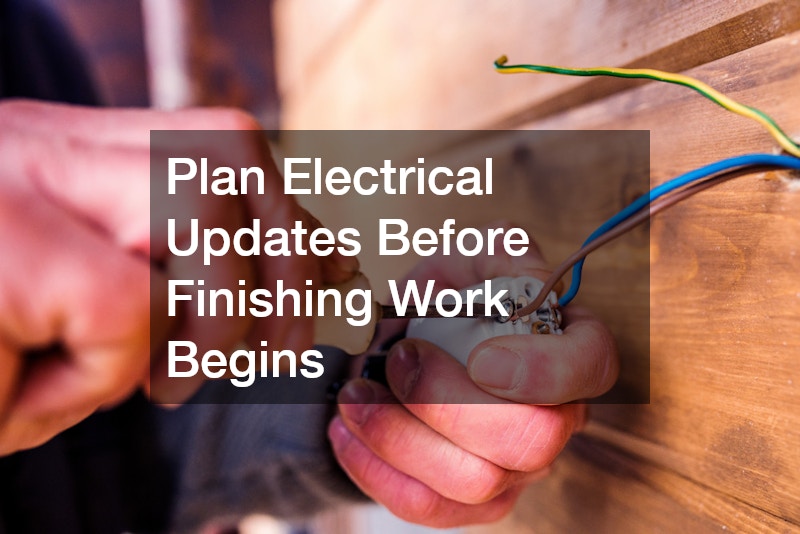
Electrical planning is a crucial step that should never be overlooked. Updating wiring and systems before finishing work begins ensures that your home is safe, functional, and capable of supporting modern technology.
Working with local electricians allows you to address potential issues early and ensure that all work meets current building codes. These professionals can evaluate your existing system, identify outdated components, and recommend necessary improvements.
Electrical upgrades are often needed during renovations, especially in older homes. This may include adding outlets, upgrading panels, or installing energy-efficient lighting. Planning these changes in advance prevents the need to tear into finished walls later, saving both time and money.
Safety should always be a top priority. Faulty wiring or overloaded circuits can pose serious risks, so it’s important to rely on qualified professionals for all electrical work. Proper planning not only improves functionality but also enhances the overall safety of your home.
Address Walls and Surfaces Before Cosmetic Finishes
Preparing walls and surfaces is a critical step that directly impacts the final appearance of your renovation. Even the best paint or design choices won’t look right if the underlying surfaces are uneven or damaged. Small imperfections such as dents, nail holes, or hairline cracks can become much more noticeable once paint or finishes are applied, making proper preparation essential for a clean, professional look.
A professional drywall repair service can fix cracks, holes, and water damage, creating a smooth and stable foundation for finishing work. In many cases, underlying issues like moisture damage or poorly installed drywall may need more attention than expected. Addressing these problems early ensures that your walls not only look good but also remain structurally sound. Quality repairs help prevent recurring issues such as peeling paint, bubbling surfaces, or visible seams.
Surface preparation also includes sanding, cleaning, and priming. Sanding smooths out rough areas and blends repairs seamlessly into the surrounding surface. Cleaning removes dust, grease, or residue that could interfere with adhesion, while priming creates an even base that allows paint or finishes to apply consistently. Each of these steps contributes to a more durable and visually appealing result.
Skipping preparation may save time initially, but it often leads to uneven finishes and the need for costly rework. Taking the time to address imperfections ensures that your renovation looks professional and lasts longer, delivering a higher-quality outcome overall.
Coordinate Project Timeline and Contractor Scheduling

A well-organized timeline is essential for keeping your renovation on track. Coordinating different phases of the project ensures that work progresses smoothly and avoids unnecessary delays.
Each stage of the renovation should be carefully planned, from demolition to finishing touches. A remodeling service can help manage this process by coordinating contractors, scheduling tasks, and ensuring that each phase is completed in the correct order.
Delays often occur when tasks overlap or when materials are not available on time. Clear communication with your team helps prevent these issues and keeps everyone aligned. It’s also important to build flexibility into your schedule to accommodate unexpected challenges.
Staying organized and proactive allows you to maintain momentum and complete your renovation efficiently. A well-managed timeline reduces stress and ensures that your project stays on track.
Choose the Right Materials for Long-Term Value
Selecting the right materials is an important decision that affects both the appearance and durability of your renovation. While it may be tempting to choose the most affordable options, investing in quality materials often provides better long-term value.
Professional painting services can help you select finishes that enhance your space while providing protection against wear and tear. High-quality paints and coatings improve durability and reduce the need for frequent touch-ups.
When choosing materials, consider factors such as maintenance, longevity, and how well they fit your lifestyle. Durable materials may have a higher upfront cost but can save money over time by reducing repairs and replacements.
Balancing aesthetics with practicality ensures that your renovation remains functional and visually appealing for years to come. Thoughtful material selection is a key part of creating a successful and lasting upgrade.
Prepare Your Home and Family for the Renovation Process

Renovations can disrupt daily life, so it’s important to prepare your home and family for the process. Understanding what to expect helps you manage stress and maintain a sense of normalcy.
Depending on the scope of the project, you may need to adjust your living arrangements temporarily. Noise, dust, and limited access to certain areas are common during construction. Planning ahead allows you to minimize inconvenience.
In some cases, extensive restoration work may be required, which can further impact your routine. Preparing for these disruptions ensures that you can adapt more easily and maintain safety throughout the project.
Taking steps such as protecting furniture, setting up temporary spaces, and communicating with your family helps create a smoother experience. Being prepared allows you to focus on the end result rather than the temporary challenges.
Inspect the Final Work and Plan for Maintenance
Once your renovation is complete, a thorough inspection ensures that everything meets your expectations. Taking the time to review the work helps identify any issues that need to be addressed before the project is finalized.
Carefully examine finishes, including work completed by your house painter, to ensure consistency and quality. Check for any imperfections, such as uneven coverage or missed areas, and address them promptly.
It’s also important to verify that all systems are functioning correctly. This includes confirming that work completed by local electricians meets safety standards and operates as expected. Testing outlets, lighting, and other components provides peace of mind.
Planning for ongoing maintenance helps protect your investment. Regular upkeep ensures that your renovation continues to look and perform its best over time. By staying proactive, you can extend the life of your upgrades and avoid future issues.
Set Yourself Up for a Smooth and Successful Renovation

A successful renovation starts long before the first tool is picked up. By taking the time to plan carefully, hire the right professionals, and prepare for each stage of the process, you can avoid common pitfalls and achieve better results.
Every decision you make—from budgeting to material selection—plays a role in the outcome of your project. Staying organized, proactive, and informed allows you to navigate challenges with confidence and keep your renovation on track.
With the right approach, your renovation can enhance both the functionality and value of your home, creating a space that meets your needs and reflects your vision.