
A well-maintained home is more comfortable, efficient, and prepared for the changing demands of every season. While some household maintenance tasks are easy to overlook, staying proactive can help homeowners catch minor problems before they develop into expensive repairs. From inspecting exterior features to caring for plumbing, electrical systems, and interior spaces, year-round maintenance is about creating consistent habits rather than waiting for something to go wrong.
Every season brings different challenges to a property. Winter can expose weaknesses in insulation and heating systems, spring may reveal roof or drainage problems, summer can place extra demands on cooling and outdoor areas, and fall is an important time to prepare for colder weather. In this article, we’ll explore practical ways to keep your home in good condition throughout the year and explain why regular inspections, cleaning, repairs, and upgrades are valuable parts of responsible homeownership.
Create A Seasonal Maintenance Schedule
One of the easiest ways to stay on top of home maintenance is to create a schedule based on the seasons. Instead of trying to remember every task at once, divide responsibilities throughout the year. This makes larger maintenance projects more manageable and helps prevent important areas of the home from being forgotten.
At the beginning of each season, walk around your property and look for visible changes. Check for cracks, leaks, damaged materials, standing water, pest activity, and other signs that something may need attention. Keep a written or digital checklist so you can record completed tasks and make notes about repairs that should be scheduled later.
Some maintenance should happen every month, such as replacing HVAC filters, checking for plumbing leaks, and testing smoke and carbon monoxide alarms. Other tasks may only be necessary once or twice a year. Having a predictable schedule makes it easier to identify what needs to happen and when.
Inspect Your Roof And Exterior
Your home’s exterior is constantly exposed to weather, sunlight, wind, moisture, and temperature changes. Because these conditions can gradually wear down exterior materials, regular inspections are essential.
Look at the roof for missing, cracked, or damaged shingles and pay attention to areas around vents, chimneys, and other roof penetrations. Gutters should also be checked regularly for leaves and debris. Clogged gutters can prevent water from draining properly and may contribute to moisture problems around the foundation.
Walk around the exterior walls and look for peeling paint, damaged siding, deteriorating caulk, and cracks around windows or doors. Small gaps can allow moisture or pests into the home. Addressing these issues early is generally easier than dealing with extensive damage later.

Maintain Your Plumbing System
Plumbing problems can begin with something as minor as a slow drain or small leak. Over time, however, water-related problems can damage cabinets, flooring, walls, and other structural materials.
Pay attention to changes in water pressure, unusual odors, slow drainage, or unexplained increases in water usage. Avoid putting grease, large food particles, or inappropriate materials down household drains. Regular drain cleaning can also help keep plumbing fixtures functioning properly and reduce buildup that may contribute to blockages.
Check visible pipes and connections underneath sinks and around appliances for signs of moisture. Even a small drip deserves attention because ongoing water exposure can create conditions for mold and material deterioration.
Pay Attention To Your Water Supply
Water quality and reliability are important parts of maintaining a healthy and functional household. Homeowners who rely on private wells should be especially proactive about understanding the condition of their water supply.
A water testing service can help homeowners evaluate water quality and identify potential concerns that may not be obvious from appearance or taste alone. Testing schedules can vary depending on the home’s water source, local conditions, and household circumstances, so homeowners should follow appropriate recommendations for their area.
If a property relies on a well, changes in water availability, pressure, or quality may warrant professional attention. Homeowners considering a new or improved private water supply can also research well drilling services to understand the options available for their property.

Keep Water Heating Equipment Efficient
Hot water systems work every day, making them easy to take for granted until something stops working. Periodic inspections can help homeowners recognize problems before they become major disruptions.
Look for unusual noises, inconsistent temperatures, leaks, or changes in how quickly hot water is available. Keep the area around the water heater clear and make sure the equipment is accessible for inspection and servicing.
Homes with tankless systems have different maintenance and repair considerations than those with traditional storage tanks. If temperatures fluctuate or the unit does not provide hot water consistently, tankless water heater repair may be necessary to address the underlying issue.
Protect Your Electrical System
Electrical maintenance is another important part of year-round home care. Homeowners should pay attention to flickering lights, frequently tripped breakers, warm outlets, buzzing sounds, or damaged cords.
Avoid overloading outlets and use electrical equipment according to manufacturer instructions. Extension cords should not be treated as permanent wiring solutions, particularly for high-demand appliances.
A backup power system can also be useful in areas where outages occur. If you are considering installing a standby generator, working with a qualified generator installer can help ensure the system is appropriately selected and installed for the property.
Keep Heating And Cooling Systems Ready
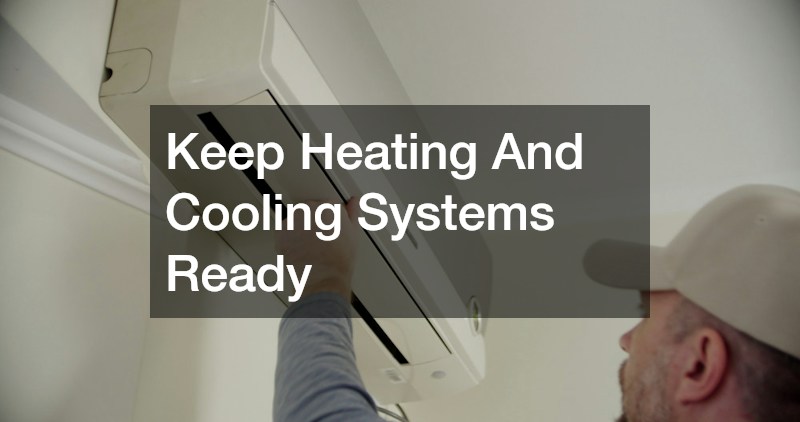
Heating and cooling equipment has a major effect on indoor comfort throughout the year. Regular maintenance can also help identify issues that may affect efficiency or shorten equipment life.
Replace HVAC filters according to the needs of your system and household. Keep outdoor equipment free from leaves, grass, and other debris. Make sure supply and return vents remain unobstructed by furniture, curtains, or storage items.
Before the beginning of a major heating or cooling season, consider having the system inspected. Professional maintenance can provide an opportunity to identify worn components, restricted airflow, drainage issues, or other concerns before the equipment is heavily used.
Maintain Doors And Windows
Doors and windows help protect your home from outdoor weather while contributing to security, energy efficiency, and comfort. Check weatherstripping and caulking periodically for deterioration.
Open and close windows to make sure they operate properly. Look for condensation between panes, damaged screens, cracked glass, and gaps around frames. These issues may indicate that repairs or replacements are needed.
Garage doors deserve attention as well. Because they are heavy moving systems with multiple components, unusual noises, uneven movement, or difficulty opening and closing should not be ignored. If the system is significantly worn or outdated, garage door installation may be an option worth discussing with a qualified professional.
Prepare For Storms And Emergencies
Year-round maintenance should include preparing for unexpected events. Severe storms, electrical outages, plumbing failures, and other emergencies can affect even well-maintained properties.
Keep flashlights, batteries, emergency supplies, and important contact information in an accessible location. Know where your home’s main water shutoff, electrical panel, and gas shutoff are located if applicable. Make sure household members know how to access these controls safely.
Fire safety deserves particular attention. Test smoke alarms regularly and replace batteries or units according to manufacturer recommendations. Keep fire extinguishers accessible and make sure everyone in the household understands basic emergency procedures.
If a serious fire occurs, professional assistance may be needed to address smoke, soot, water, and structural damage. A local fire damage service can assess affected areas and help determine what restoration steps are appropriate.
Control Moisture Throughout The Home
Moisture is one of the most common causes of gradual household deterioration. It can come from plumbing leaks, roof problems, condensation, poor drainage, or inadequate ventilation.
Check areas that are particularly vulnerable to moisture, including bathrooms, kitchens, basements, crawl spaces, laundry rooms, and areas beneath plumbing fixtures. Use bathroom exhaust fans during and after showers, and make sure vents direct moisture outdoors where appropriate.
Exterior drainage is just as important. Make sure water moves away from your home’s foundation rather than pooling near the walls. Downspouts should discharge water far enough away from the structure to reduce unnecessary moisture exposure.
Watch For Pest Activity
Pests can cause damage long before homeowners realize they have an infestation. Small droppings, chewed materials, scratching noises, damaged food packaging, or unusual odors can indicate unwanted animal activity.
Keep food stored securely and clean crumbs or spills promptly. Seal gaps around pipes, vents, doors, and other potential entry points. Outdoor vegetation should also be maintained so it does not create easy pathways toward the house.
If signs of rodents appear, professional rodent control can address the problem and help identify possible entry points. Preventive measures are particularly valuable because eliminating an existing issue is only part of protecting the home; reducing opportunities for pests to return is equally important.
Keep Interior Surfaces In Good Shape
Interior maintenance is not only about appearance. Walls, ceilings, floors, cabinets, and other surfaces can provide clues about underlying household problems.
For example, a new ceiling stain could indicate a plumbing or roofing issue. Peeling paint near a window may be related to moisture. Cracked flooring could result from normal wear, movement, or an underlying problem that needs investigation.
When walls or other surfaces need refreshing, a painting contractor can help prepare and finish the space properly. Keeping surfaces clean and addressing minor damage promptly can also make the home feel more comfortable while preventing small cosmetic problems from becoming more noticeable.
Plan Larger Home Improvements Carefully
Routine maintenance helps preserve the home, but some properties eventually need larger improvements. Remodeling projects can address outdated layouts, damaged materials, inefficient spaces, or changing household needs.
When planning kitchen renovations, think beyond appearance. Consider storage, workflow, lighting, ventilation, plumbing, electrical capacity, and the durability of selected materials. A well-planned renovation should complement the home’s existing structure and meet the household’s practical needs.
Large projects should be planned carefully rather than rushed. Establish a realistic budget, determine which work requires professional assistance, and consider how each improvement fits into the home’s long-term maintenance needs.
Keep Your Garage And Storage Areas Organized
Garages, sheds, attics, basements, and storage closets can quickly become areas where maintenance problems go unnoticed. Keeping these spaces organized makes it easier to inspect them and identify problems.
Avoid storing items directly against walls where they may hide moisture or pest activity. Keep chemicals and potentially hazardous materials stored appropriately and make sure ventilation is adequate where necessary.
Periodically remove items that are no longer useful. Less clutter creates more accessible storage and makes it easier to spot leaks, cracks, pests, or other concerns.
Maintain Outdoor Spaces
Landscaping and outdoor structures also contribute to the condition of your property. Trim branches that could come into contact with the roof, siding, windows, or utility lines. Remove dead vegetation and monitor trees for visible signs of damage.
Keep patios, walkways, and driveways clear of leaves and debris. Look for cracks or uneven sections that could become larger problems over time. Outdoor faucets should also be checked for leaks, especially before freezing temperatures arrive.
Seasonal landscaping maintenance can improve drainage and help protect the foundation. It can also reduce hiding places for pests and keep the property looking cared for throughout the year.
Keep Records Of Repairs And Maintenance
A maintenance log can be surprisingly useful. Record dates for major inspections, repairs, replacements, and professional services. Include information about equipment models, warranties, and the approximate age of major systems.
These records can help you remember when filters, appliances, HVAC systems, water heaters, and other equipment were last serviced. They may also be helpful when diagnosing recurring problems or planning future upgrades.
Home maintenance becomes much easier when you understand the history of your property. Rather than guessing when something was last repaired, you can refer to your records and make more informed decisions about upcoming work.
Make Professional Inspections Part Of Your Routine
Not every home problem is visible to an untrained eye. Professional inspections can provide another layer of protection, particularly for systems that are difficult to access or understand.
Instead of waiting for a major failure, consider scheduling appropriate professional maintenance for important systems. Qualified specialists can evaluate equipment, identify developing concerns, and explain which issues require immediate attention and which can be monitored.
This proactive approach can help homeowners prioritize their spending. Not every imperfection requires an immediate replacement, but problems involving water intrusion, electrical safety, structural concerns, or major equipment failures generally deserve prompt attention.
Build A Maintenance Routine That Works For You
Keeping a home in good condition year-round does not require completing every task at once. The most effective approach is to establish manageable routines and consistently address problems as they appear.
Create seasonal checklists, inspect the exterior, monitor plumbing and electrical systems, maintain heating and cooling equipment, control moisture, and watch for signs of pests or damage. Larger projects should be planned carefully, while professional inspections can provide additional insight when a system requires specialized knowledge.
A home that receives regular attention is easier to maintain because small problems are more likely to be discovered before they become major repairs. By treating maintenance as an ongoing part of homeownership rather than an occasional chore, you can help protect your investment, preserve comfort, and keep your property ready for every season.