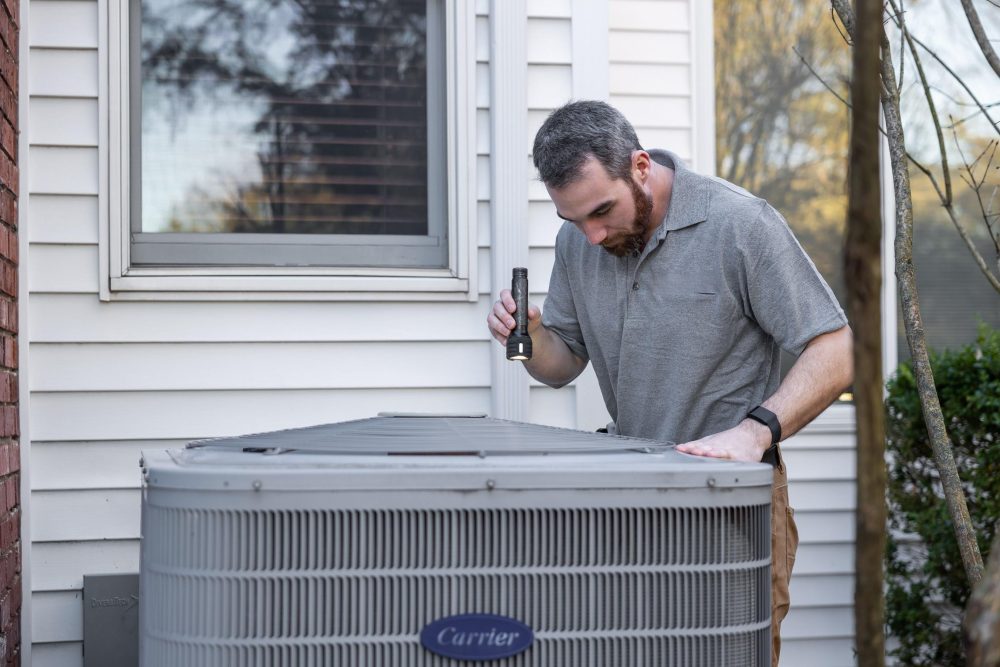
Your heating and cooling system is one of the hardest-working machines in your house. It runs through sweltering July afternoons, frosty January mornings, and every mild shoulder season in between. Yet most homeowners only think about it when something goes wrong, which is usually the worst possible moment to discover a problem.
The truth is, the difference between a furnace that quits after eight years and one that purrs along for two decades often comes down to a handful of small, consistent habits. Some homeowners swear by the DIY route, tackling filter swaps and coil cleanings themselves. Others prefer handing everything over to a licensed technician. Both camps have valid points, and the smartest approach usually borrows from each.
This breakdown walks through the seasonal tasks that keep your system humming, compares the different strategies homeowners use, and highlights where the biggest payoffs actually come from. Whether you want to save money, extend equipment life, or simply avoid the panic of a broken furnace on the coldest night of the year, the choices you make across the calendar matter more than you might think.
Why Seasonal Timing Matters More Than You Think
The biggest mistake people make with HVAC care isn’t skipping maintenance altogether. It’s doing it at the wrong time. A homeowner who tunes up the air conditioner in July, when demand for repair techs peaks, pays more and waits longer than the one who scheduled the same visit in April.
Seasonal timing also affects how well your system performs when you need it most. Dust that collected on a blower motor all winter can throw off cooling efficiency in June. A cracked heat exchanger ignored in September becomes a carbon monoxide risk by December. According to Carrier, modern HVAC systems typically last between 15 and 25 years, but that range depends heavily on how well the unit is cared for, how it was installed, and the environment it operates in.
Think of your HVAC calendar the way you’d think about changing the oil in your car. Nobody waits for the engine to seize. The same logic applies here, and homeowners who treat maintenance as a rhythm rather than a reaction consistently come out ahead.
Spring Tasks That Set the Tone for Summer
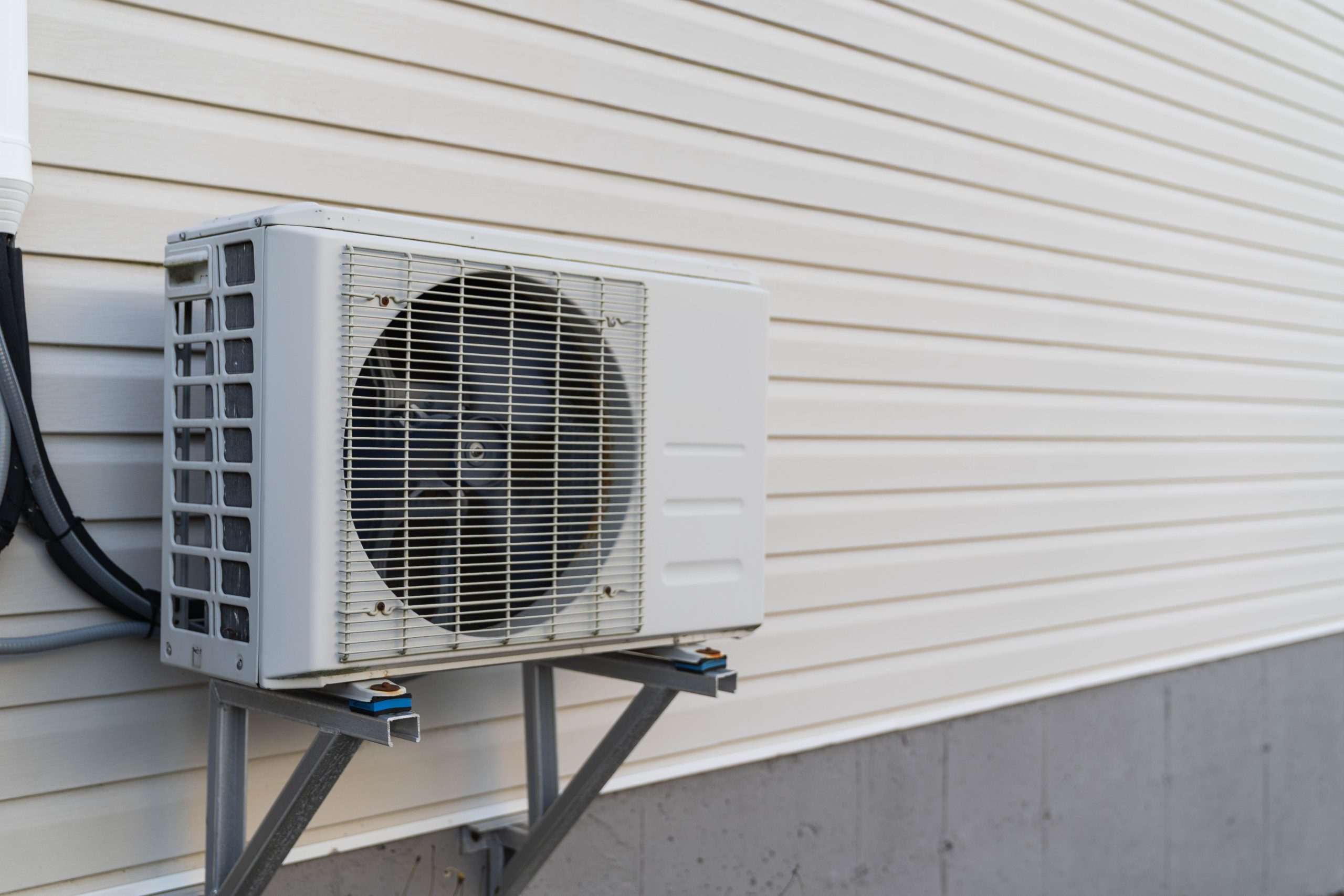
Spring is the window when your air conditioner gets ready for its biggest workload of the year. Skipping this check-in is one of the most common reasons AC units fail during heatwaves. A thirty-minute walkthrough in April or May can prevent a frantic service call in August.
The outdoor condenser unit takes the brunt of winter debris. Leaves pile against the fins, dirt cakes the coils, and sometimes a rodent decides the inside looks cozy. Clearing all of that out before you fire up the cooling cycle makes a measurable difference in performance.
Here’s what belongs on a solid spring checklist:
- Clear at least two feet of space around the outdoor condenser
- Rinse the condenser coils with a gentle hose spray
- Replace the air filter and note the date on the frame
- Test the thermostat by running a short cooling cycle
- Check that condensate drain lines are clear and draining freely
- Inspect visible refrigerant lines for cracked insulation
If you notice unusual noises, weak airflow, or warm air coming from the vents during your test run, that’s your signal to call a professional before the busy season hits.
Summer Habits That Keep Energy Bills in Check
Once cooling season is in full swing, the goal shifts from preparation to preservation. This is where small, consistent routines make the biggest financial impact. According to the U.S. Department of Energy, homeowners can cut their energy bills by as much as 15% simply by keeping their system in solid working condition.
Filter changes are the single most overlooked task during summer. A clogged filter forces the blower to work harder, raises your electric bill, and shortens the life of the motor. Checking it monthly during heavy use costs nothing and takes two minutes.
The DIY Versus Professional Debate
Some tasks genuinely belong to the homeowner. Filter changes, keeping vents unblocked, trimming shrubs away from the condenser, and clearing drain lines are all reasonable weekend jobs. Others, like checking refrigerant pressure or inspecting electrical connections, really do need a licensed tech with the right tools. Trying to handle the latter yourself often ends up costing more than hiring it out in the first place.
The homeowners who get the best results tend to blend both approaches. They handle the routine stuff themselves and bring in a pro once or twice a year for the technical inspections. That hybrid model keeps costs down without sacrificing reliability.
Fall Preparations and Smart Upkeep Shortcuts
Autumn is the pivot point. Your cooling system winds down, your heating system wakes up, and this is the moment to catch issues before cold weather exposes them. A furnace that has sat idle for six months can hide problems that only show up under load.
Start with a visual inspection of the furnace area. Look for scorch marks, rust, soot, or any sign of moisture. Replace the filter if you haven’t already, and listen carefully the first time you run the heat. Clunks, screeches, or a lingering burnt smell beyond the first few minutes are all worth investigating.
The best Upkeep Hacks for fall aren’t complicated, but they do require consistency. A few small routines now prevent expensive calls later:
- Test the heating cycle on a mild day, not during the first cold snap
- Vacuum dust from vents, returns, and the blower compartment
- Check the batteries in carbon monoxide detectors
- Schedule a professional tune-up before November
- Inspect the chimney or flue for blockages if you have a gas furnace
Preventative care is also one of the quieter contributors to home value. The same discipline that keeps your furnace running also protects the best home upgrades for resale value, since buyers notice when mechanical systems have been treated well.
Winter Watchfulness and Mid-Season Checks
Winter maintenance looks different from the other seasons because the system is running almost constantly. The focus shifts to monitoring rather than deep cleaning. You’re watching for changes in performance, listening for new sounds, and paying attention to how often the furnace cycles on and off.
Short cycling, where the furnace kicks on and off every few minutes, is a classic winter warning sign. It usually points to a thermostat issue, a dirty filter, or an oversized unit, but it can also indicate something more serious like a failing flame sensor. Addressing it early saves money and prevents the kind of breakdown that forces you to pay emergency rates.
Clever Routines That Keep Systems Humming
Humidity matters more in winter than most people realize. Dry indoor air makes your home feel colder than the thermostat reading, which tempts you to crank the heat higher. A whole-house humidifier or even a couple of portable units can let you dial the temperature down two or three degrees without feeling any difference.
Also, don’t forget about airflow balance. Close vents in rooms you rarely use, but leave enough open that the system doesn’t build up pressure. According to ProFindR, regular professional maintenance can extend system life by three to five years on average while keeping efficiency within five percent of the unit’s original rating, which is a meaningful return for a single annual visit.
Comparing Maintenance Plans Versus Pay-As-You-Go Service
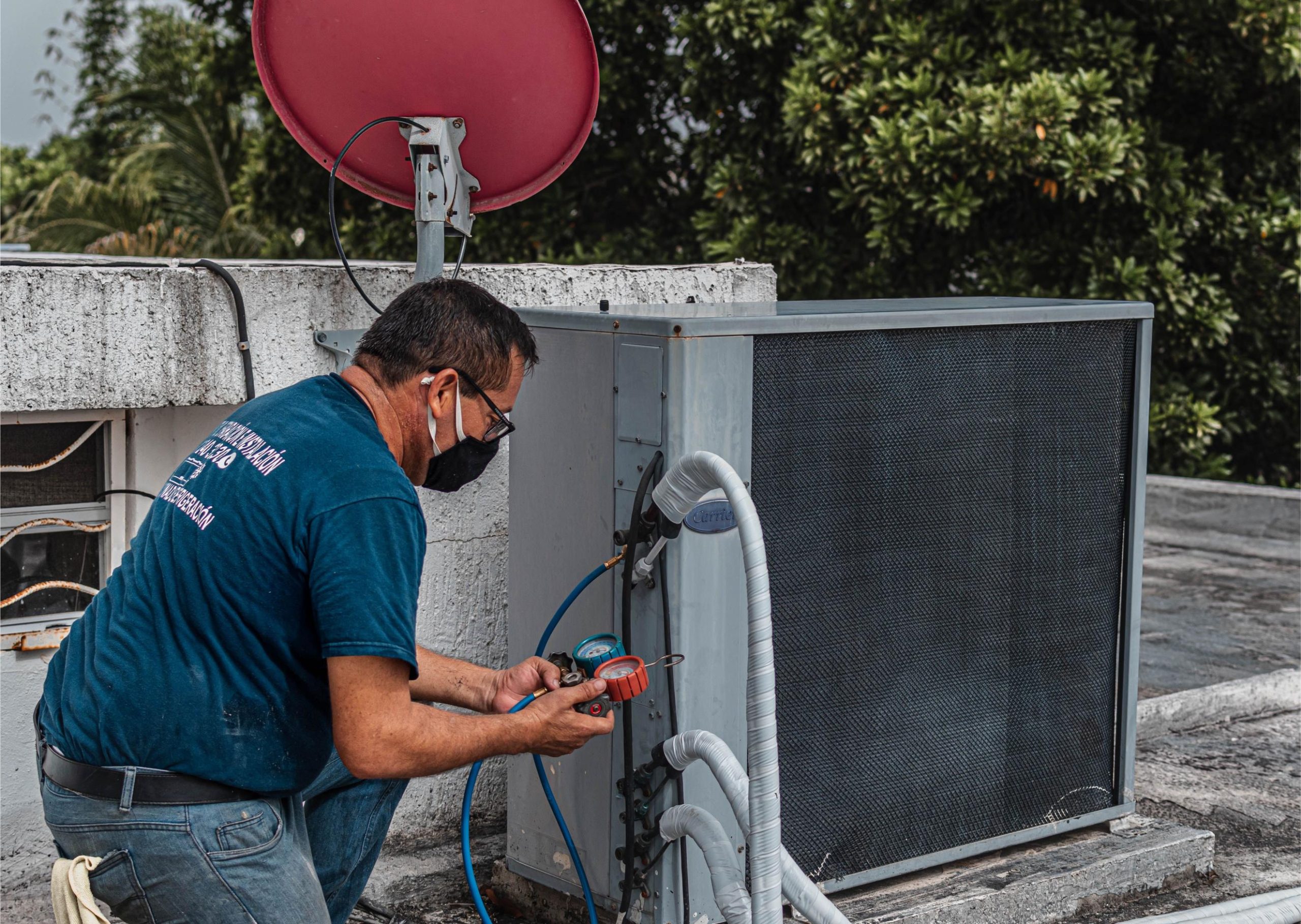 Service contracts are a point of real disagreement among homeowners. Some people swear by annual maintenance plans, which bundle two tune-ups a year plus priority scheduling and discounted repairs. Others prefer to pay only when something needs attention, arguing that plans encourage upsells.
Both viewpoints have merit, and the right choice often depends on the age of your equipment. A newer, well-installed system under warranty may need little beyond basic seasonal checks. An older unit nearing the end of its life benefits from more frequent professional eyes, since catching a small issue early can mean the difference between a hundred-dollar fix and a four-thousand-dollar replacement.
Consider these factors when weighing your options:
- Age and current condition of your HVAC equipment
- Climate severity in your region and how hard the system works
- Whether your warranty requires documented annual service
- Your own comfort level with basic DIY tasks
- Availability of trustworthy local contractors
Performance gains from consistent care are real and measurable. According to Oxmaint, systems that receive proper maintenance can deliver between 10 and 46 percent more airflow while cutting energy use by up to sixty percent compared to neglected units. That’s not a marginal improvement, it’s the difference between a system that drains your wallet and one that quietly earns its keep.
Conclusion
Protecting your HVAC system across the full year isn’t about doing more work. It’s about doing the right work at the right time. Spring prepares the cooling side, summer preserves efficiency, fall transitions the system to heating mode, and winter is about watchful monitoring. Each season builds on the last, and the homeowners who stick to this rhythm consistently see lower bills, fewer surprises, and longer equipment life.
The deeper takeaway is that there’s no single correct approach. DIY-first homeowners, pros-only homeowners, and the hybrid crowd can all get solid results, aslong as they commit to the fundamentals: clean filters, clear coils, timely professional eyes, and a willingness to investigate small changes before they become big ones. Pick the style that fits your temperament and your budget, then stick with it. The system you protect today is the one that will keep you comfortable a decade from now, long after your neighbors have already replaced theirs twice.