A leaky faucet or a squeaky door hinge feels like an easy weekend project, but not every home repair is that simple. Tackling the wrong job yourself can lead to voided warranties, safety hazards, or damage that costs far more to fix than the original problem. The key is knowing which repairs genuinely fall within a homeowner’s skill level and which ones require licensed, insured professionals. This guide breaks down common household systems and repairs so you can decide with confidence what to handle yourself and what to leave to the experts.
Painting and Patching Interior Walls
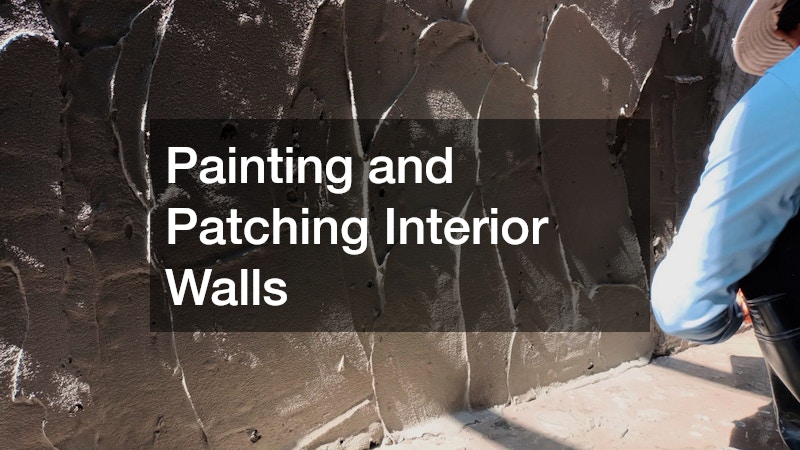
Repainting a room, patching small drywall holes, and caulking around trim are some of the safest and most forgiving projects a homeowner can take on. The tools involved are inexpensive, mistakes are easy to correct, and there is virtually no risk of injury or structural damage. A gallon of paint, a putty knife, and some spackle rarely cost more than $50 combined, and a botched attempt just means more sanding or an extra coat.
Small holes from nail pops or picture hangers can be filled with lightweight spackle and smoothed over in minutes, with drying times of just a few hours before a second coat or sanding is needed. Caulking gaps around baseboards, window trim, or crown molding is equally forgiving—if the bead comes out uneven, you have several minutes before it sets to wipe it away with a damp finger or rag and try again.
Even larger jobs like patching a foot-wide hole with a drywall patch kit are manageable if you follow instructions carefully and take your time with sanding and blending. These kits typically include a self-adhesive mesh patch and a small tub of joint compound, requiring two or three thin coats feathered out several inches beyond the hole’s edge to blend seamlessly with the surrounding wall. The main skills to master are patience—letting each coat dry fully—and sanding lightly between layers so the repair disappears under paint rather than standing out as a visible bump.
Before painting over any patch, it’s worth applying a coat of primer, especially if the repair involves fresh joint compound, since unprimed patches often absorb paint differently and leave a dull “flashing” spot on an otherwise glossy or satin wall. For color matching, most hardware stores can scan a paint chip or sample to mix a close batch, but keeping the original can or a note of the paint’s name and code makes future touch-ups even easier.
Painting and patching are about as forgiving as home repair gets. If you botch a cut-in line or apply an uneven coat, the fix is another coat of paint, not a call to a contractor. That low stakes-to-reward ratio makes this category ideal for beginners building confidence before tackling anything more technical.
Small drywall repairs fall into this same safe zone. Nail holes and minor dings can be filled with spackle in minutes, while holes up to about 6 inches wide are easily handled with a self-adhesive mesh patch and a coat of joint compound. Anything larger, or damage that reveals wiring or signs of water intrusion, is worth a second look before you patch over it.
The real precautions here are about health, not structural risk. Always ventilate the room when painting, since fumes from oil-based paints and some primers can cause headaches or dizziness in enclosed spaces. If your home was built before 1978, test for lead paint before sanding or scraping — the EPA sells inexpensive test kits, and disturbing lead paint without precautions can release hazardous dust.
Beyond ventilation and lead awareness, this category remains about the lowest-risk entry point into DIY home improvement. It’s a great place to build skills like taping clean edges, matching textures, and choosing the right sheen for high-traffic rooms.
Replacing Faucets and Unclogging Drains
Basic plumbing repair tasks like replacing a faucet cartridge, swapping out a showerhead, or clearing a slow drain with a plunger or drain snake are usually safe for a confident DIYer. These jobs typically only require shutting off a water supply valve, using common hand tools, and following a manufacturer’s instructions. Mistakes are usually limited to a temporary mess rather than a major disaster, especially if you know where your main water shutoff is located before you start.
Where plumbing gets riskier is anything involving gas lines, main sewer lines, or altering existing pipe layouts, since a mistake there can lead to water damage, mold, or even gas leaks. If a clog keeps returning or you notice recurring low water pressure throughout the house, that is usually a sign of a deeper issue that needs a licensed plumber rather than another trip to the hardware store.
- Safe to DIY: replacing a faucet aerator, fixing a running toilet, unclogging a sink
- Call a professional for: sewer line backups, repiping, water heater installation
- Always know your main water shutoff location before starting any plumbing work
Swapping Light Fixtures and Outlets
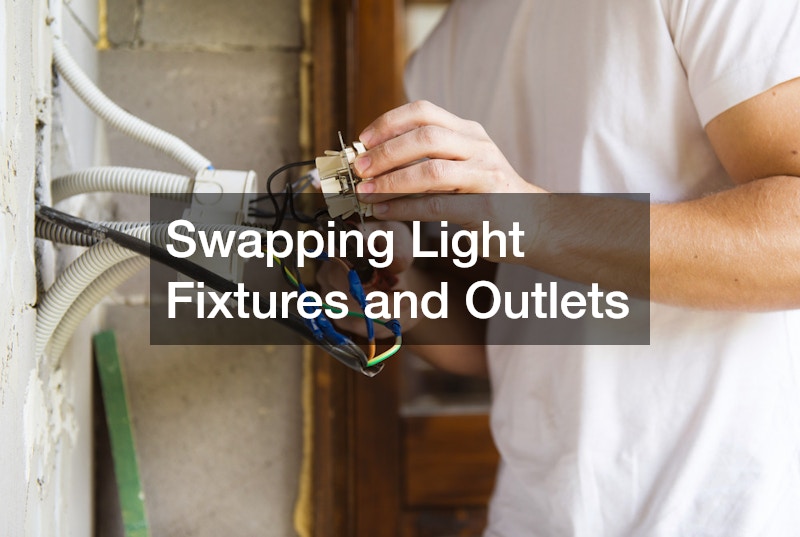
Simple electrical swaps, like replacing a light fixture, installing a ceiling fan, or upgrading a standard outlet to a USB-friendly one, can be done by homeowners who are comfortable following wiring diagrams and always cutting power at the breaker first. Many jurisdictions allow this kind of work without a permit as long as you are not altering the circuit itself. A non-contact voltage tester is a small investment that adds a critical layer of safety to any of these projects.
However, anything involving your electrical panel, new circuits, or rewiring should be handled by a licensed electrician. Electrical mistakes are not just inconvenient, they are a leading cause of house fires, and many home insurance policies will not cover damage caused by unpermitted electrical work. If you smell burning, see scorch marks near an outlet, or notice flickering lights across multiple rooms, stop troubleshooting and call a professional immediately.
Servicing Your Garage Door Springs and Sensors
Garage doors look simple, but they hide a surprising amount of stored mechanical energy, particularly in the torsion springs that lift a door weighing well over a hundred pounds. Cleaning tracks, lubricating rollers, and replacing weather stripping around the base of the door are all reasonable DIY tasks. Testing the safety sensors and tightening visible hardware are also fine for most homeowners to handle on their own.
Where things turn dangerous is spring replacement and cable adjustment, since a torsion spring under tension can cause serious injury if it releases suddenly. Most garage door repairs involving the opener motor, springs, or cables are worth handing off to a specialist who has the right clamps and experience to do it safely. A malfunctioning garage door is also a common entry point for burglars, so getting it fixed correctly the first time matters for home security as well as convenience.
Cleaning and Inspecting Roof Gutters
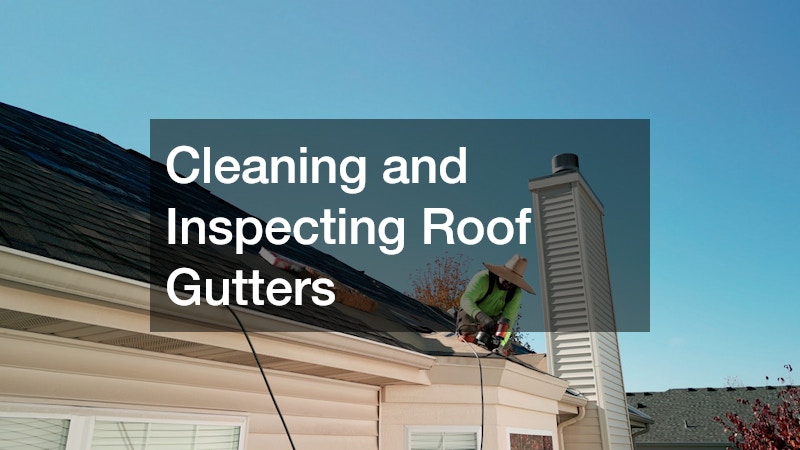
Clearing leaves and debris from your gutters a couple of times a year is a task many homeowners handle themselves, provided they use a sturdy ladder and have someone spotting them from the ground. This kind of routine gutter repair and maintenance prevents water from pooling near your foundation and helps you catch small issues, like a loose bracket or a minor sag, before they become expensive problems. Wearing gloves and using a small trowel or scoop makes the job faster and less messy.
That said, gutters on steep or multi-story homes present a genuine fall risk, and structural repairs like replacing entire sections or fixing improper pitch are better suited to professionals with the right harnesses and equipment. If you notice water stains on your siding or a consistent overflow during rain, it may be a sign the gutter system needs more than a simple cleaning. Balancing your own comfort level with ladder work against the actual risk involved is the most important decision here.
Diagnosing Roof Leaks and Shingle Damage
A missing shingle or two after a storm might tempt you to grab a ladder and a caulk gun, but house roof repair is one of the areas where the risk-to-reward ratio rarely favors DIY. Roofs are steep, often slippery, and a fall from that height can cause serious injury even for experienced homeowners. Beyond the safety issue, an improperly sealed patch can trap moisture and lead to rot or mold that is far more expensive to fix than the original leak.
Roofing professionals also carry insurance that protects you if something goes wrong during the repair, and many offer warranties on their work that a DIY fix simply cannot match. If you notice curling shingles, granules collecting in your gutters, or a water stain spreading across a ceiling, it is worth getting a professional inspection sooner rather than later. Catching roof damage early almost always costs less than waiting until a small leak becomes a full ceiling collapse.
Maintaining Your Fireplace and Chimney

A wood-burning or gas fireplace adds warmth and ambiance, but it also involves combustion, ventilation, and in some cases gas lines, which makes most repairs a job for trained technicians. Homeowners can safely handle light cleaning of the glass doors, vacuuming visible ash, and inspecting the firebox for obvious cracks between professional visits. Anything beyond that, though, starts to involve creosote buildup, damper mechanisms, and flue liners that require specialized knowledge to service safely.
Fireplace repair involving gas valves, pilot lights, or structural chimney issues should always go to a certified technician, since a mistake here risks carbon monoxide exposure or house fires. Annual chimney inspections are recommended even if you rarely use your fireplace, because animals, debris, and weather can compromise a flue without any obvious warning signs. Treat your fireplace the same way you would treat any other combustion appliance in your home: with caution and regular professional attention.
Handling Central Air and Heating System Repairs
Changing an air filter, clearing debris from around an outdoor condenser unit, and resetting a thermostat are all safe, simple tasks that fall well within a typical homeowner’s ability. Doing these small things consistently actually reduces the odds you will need a bigger repair down the road, since a clogged filter is one of the most common causes of system strain. Keeping the area around your outdoor unit clear of leaves and shrubs also helps it run efficiently.
Anything involving refrigerant, electrical components, or the internal mechanics of your furnace or air conditioner should go to a licensed HVAC company, since these systems combine high voltage, pressurized gas, and combustion in ways that are genuinely dangerous to handle without training. If your system is blowing warm air, making unusual noises, or cycling on and off too frequently, it is time to call in a local AC repair company rather than attempting a fix yourself. Regular professional maintenance visits, typically once or twice a year, also help catch small issues before they turn into full system failures.
Installing Water Heaters and Tankless Systems
Water heaters seem straightforward from the outside, but they involve gas lines, high-voltage electrical connections, or both, along with pressure and temperature safety valves that must be calibrated correctly. A tankless water heater installation in particular requires precise venting, gas line sizing, and often electrical upgrades that go well beyond what a typical homeowner has the tools or training to handle. Getting any of these details wrong can lead to inefficient operation, carbon monoxide risks, or a unit that fails prematurely.
Homeowners can safely handle simple maintenance like flushing sediment from a tank model once a year or checking the temperature setting, but installation and major repairs are best left to licensed plumbers or specialized installers. The upfront cost of professional installation is generally worth it, since a properly installed system lasts longer and operates more efficiently than one installed incorrectly. This is one area where cutting corners rarely saves money in the long run.
Repairing Backup Generators and Pool Equipment
Backup generators and pool heating systems are two categories of home equipment that combine fuel, electricity, and mechanical complexity in ways that make DIY repair particularly risky. Local generator repair typically involves working with propane or natural gas connections, transfer switches, and electrical loads that can be lethal if handled incorrectly. Routine tasks like checking oil levels or testing the unit monthly are fine for homeowners, but internal repairs should always go to a trained technician.
Similarly, pool heater repair often involves gas burners, electrical ignition systems, and water pressure components that require specialized diagnostic tools to service safely. A malfunctioning pool heater can also be a sign of a larger issue with your pool’s electrical bonding or gas supply, which is not something to troubleshoot casually. For both of these systems, the combination of complexity and safety risk makes professional service the clearly smarter choice.
- Safe to DIY: checking generator oil, testing monthly, clearing debris around a pool heater
- Call a professional for: transfer switch issues, gas burner repairs, ignition system failures
- Both systems combine fuel and electricity, raising the stakes of any mistake
The safest approach to home repair is knowing your own limits and being honest about the risks involved in each project. Simple, low-stakes tasks like painting, basic plumbing fixes, and routine maintenance are great opportunities to save money and build skills. But when a job involves gas, high voltage, structural components, or serious fall risk, hiring a licensed professional protects both your home and your safety. When in doubt, get a quote and a second opinion before picking up a tool you are not confident using.