High utility bills, drafty rooms, and hot spots during the peak of summer are common frustrations for homeowners. When faced with rising energy costs, many people turn to quick, superficial fixes—installing smart thermostats, putting draft stoppers under doors, or changing out light bulbs. While these small adjustments help on the margins, they fail to address the core reasons a home loses energy.
True household efficiency is not about tweaking settings on an app; it is about the physical performance of your home’s primary systems. Every house functions as an interconnected ecosystem where the exterior shell, mechanical equipment, and electrical infrastructure work together to maintain a stable, comfortable environment. When structural elements deteriorate or fall behind modern standards, energy bleeds out through walls, roofs, windows, and pipe networks.
To achieve lasting comfort and significantly lower monthly operating costs, you must look at major structural and mechanical upgrades. By systematically modernizing your home’s core components, you create a building envelope that locks in conditioned air, optimizes energy usage, and protects your long-term equity.
Fortifying the Envelope: Roof Upgrades for Ultimate Thermal Protection
The roof is your home’s primary shield against solar radiation, wind, and precipitation. Because heat naturally rises in the winter and radiates inward during the summer, an underperforming or aging roof acts as a massive thermal leak. Upgrading this vital component creates a continuous barrier that stabilizes interior temperatures year-round.
When heat strikes an asphalt shingle roof in the dead of summer, temperatures on the decking can easily surpass 150 degrees Fahrenheit. That heat radiates directly into the attic, warming the ceiling joists and transferring into living spaces below. Modern structural roofing materials actively reflect solar energy rather than absorbing it. Cool-roof shingles, engineered metal panels, and radiant barriers beneath the decking can reduce roof surface temperatures by up to 50 degrees, drastically cutting the workload on your cooling systems.
Ventilation plays an equally critical role in structural efficiency. A well-designed system balances intake air through soffits with exhaust air through ridge vents, creating continuous natural movement that flushes hot, humid air out of the attic space before it can penetrate interior insulation.
To ensure your top-level structure performs at peak efficiency, focus on these critical actions:
- Evaluate material reflectivity ratings by looking for cool-roof certifications that indicate high solar reflectance and thermal emittance.
- Inspect attic insulation depth and ensure batts or blown-in cellulose are not blocking soffit vents, which suffocates natural airflow.
- Partner with an experienced roofing company to inspect structural decking for moisture damage, sag, or insufficient intake-to-exhaust ratios.
- Schedule a complete roof replacement service if your current system is over twenty years old or showing signs of widespread shingle granule loss and thermal degradation.
- Install radiant barriers along the underside of the roof rafters to bounce thermal radiation back away from your living space.
- Seal all roof penetrations, including pumbing stacks and exhaust flues, with high-grade elastomeric sealants to eliminate hidden air gaps.
- Add synthetic underlayment during major repairs to provide a secondary moisture and air-sealing membrane beneath primary roofing materials.
By addressing the top of your building envelope first, you establish a strong line of defense that keeps conditioned air where it belongs and protects every lower-level system from environmental stress.
Sealing the Exterior Shell: Siding and Window Efficiency
Once the top of the house is secure, the next critical boundary is the vertical envelope—your walls, windows, and doors. These exterior surfaces account for a massive percentage of total heat transfer through a process called thermal bridging, where heat travels directly through solid materials like wooden studs, old glass, and uninsulated wall cavity spaces.
Modern exterior siding acts as more than just a decorative finish; it functions as a comprehensive weather-resistant barrier and thermal blanket. When replacing exterior siding, installers place rigid foam insulation beneath the new panels, effectively wrapping the home’s timber frame in a continuous layer of thermal protection. This stops heat from bridging through the studs, while advanced weather-resistive barriers allow interior moisture vapor to escape without letting outdoor wind or liquid water inside.
Windows represent another major vulnerability in the exterior shell. Old single-pane or failed double-pane windows lose heat through radiation, conduction, and direct air leakage around degraded frames. Replacing outdated windows with modern multi-pane units transforms your home’s thermal boundary.
Focus on these essential structural exterior upgrades:
- Upgrade to double- or triple-pane glass units insulated with argon or krypton gas to slow down thermal transfer through the glass.
- Choose window frames built from composite materials, fiberglass, or insulated vinyl rather than uninsulated aluminum or rotting wood.
- Hire reputable home siding contractors who prioritize installing continuous exterior insulation boards and properly taped weather-resistive house wrap.
- Consult professional window installers to ensure flashing and expanding foam seals around frame perimeters are airtight and water-tight.
- Apply high-performance Low-E coatings to window panes to reflect heat-producing infrared light while letting in maximum natural light.
- Incorporate structural window head flashings and drip edges to divert moisture away from underlying wall assemblies and prevent wood rot.
- Seal around exterior door jams and threshold transitions with durable silicone caulking and heavy-duty weatherstripping to eliminate perimeter drafts.
A fully sealed, insulated exterior shell eliminates drafts, reduces noise pollution, and creates a tight barrier that stabilizes indoor temperatures, allowing your mechanical systems to run far less frequently.
Powering Modern Efficiency: Electrical System Upgrades
As homes incorporate heat pumps, electric vehicle chargers, high-efficiency induction cooktops, and smart panel controls, the underlying electrical grid of the building must be capable of handling the load safely and efficiently. An outdated or undersized electrical system creates resistance, voltage drops, and potential safety hazards that undercut your energy-saving goals.
Older homes often operate on 60-amp or 100-amp electrical service with outdated fuse boxes or legacy breaker panels. Modern, energy-efficient appliances demand clean, steady power and often require dedicated 240-volt circuits to function at their rated performance levels. When a system is overloaded, wires generate heat—which represents pure wasted energy and increases the risk of electrical fires.
Upgrading your electrical infrastructure ensures your home can handle high-efficiency equipment without circuit trips, flicker, or performance bottlenecks. Modern smart panels also allow you to monitor energy usage circuit-by-circuit, giving you clear visibility into which appliances consume the most electricity throughout the day.
Key steps for modernizing your electrical system include:
- Upgrade your service capacity from older 100-amp service to 200 amps or higher to accommodate high-demand green tech additions.
- Install dedicated 240-volt circuits for major high-efficiency equipment like heat-pump water heaters, clothes dryers, and vehicle chargers.
- Arrange an electrical panel replacement to ensure your system features modern arc-fault and ground-fault circuit breakers for maximum safety.
- Work exclusively with licensed electricians to execute panel upgrades, main service drop connections, and load-calc evaluations to meet regional codes.
- Integrate energy-monitoring subpanels to track real-time electrical draw from specific rooms or high-wattage appliance runs.
- Replace standard toggle switches and outdated outlets with intelligent energy management controls and automated power-cutoff features.
- Ensure main grounding and bonding systems meet current national standards to shield modern electronic circuit boards from voltage spikes.
When your electrical framework is modernized, your appliances operate with optimal voltage and zero power degradation, maximizing the lifespan and efficiency of every electrical device in your home.
Heating and Cooling Mechanics: Optimizing Climate Systems
Heating and cooling represent the single largest energy expense in most residential buildings, often accounting for more than half of a home’s total energy consumption. Upgrading to high-efficiency mechanical systems and maintaining proper airflow channels yields immediate, noticeable drops in monthly utility expenses.
Modern climate control revolves around heat pump technology and high-efficiency variable-speed equipment. Unlike traditional furnaces or standard air conditioners that run at 100% capacity every time they turn on, variable-speed systems continuously adjust their output in small increments to match the exact heating or cooling demand of the space. This eliminates the aggressive energy spikes caused by constant on-off cycling while keeping indoor temperatures remarkably steady.
However, even the most advanced heating or cooling unit will fail to deliver efficient performance if the air distribution network is compromised. Leaky, dirty, or crushed air ducts force blowers to work significantly harder, creating high static pressure, leaking conditioned air into unconditioned spaces, and circulating dust and allergens.
To maximize your climate control infrastructure, implement these key measures:
- Insulate all ductwork passing through unconditioned attics, basements, or crawl spaces to prevent thermal loss along supply runs.
- Size new heating and cooling units precisely using Manual J load calculations rather than relying on outdated square-footage estimates.
- Engage comprehensive HVAC services to evaluate your system’s refrigerant charge, blower motor health, and overall static pressure balance.
- Contract a professional air duct cleaning company to strip away accumulated debris and check for open joints or disconnected duct runs.
- Seal duct connections using mastic sealant or heavy-duty foil tape instead of standard cloth duct tape that degrades quickly over time.
- Install programmable or learning smart thermostats to automatically adjust temp zones based on your family’s daily occupancy patterns.
- Replace standard air filters regularly with pleated MERV-rated filters to maintain optimal airflow across internal evaporator coils.
When your heating and cooling hardware is correctly sized, paired with clean distribution channels, and operating at variable speeds, you achieve exceptional comfort with a fraction of the energy consumption.
Flow and Heat Retention: Upgrading Plumbing Infrastructure
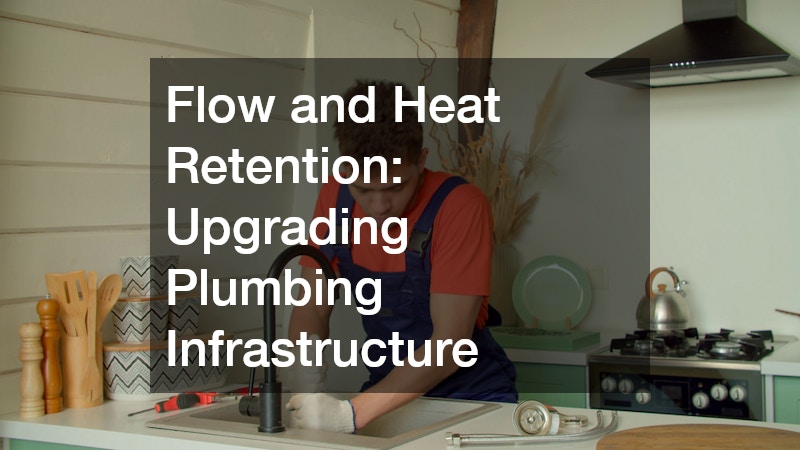
Plumbing systems are often overlooked in discussions about home efficiency, yet water heating is typically the second-largest energy user in a home. Inefficient water heaters, uninsulated hot water pipes, and clogged drainage lines quietly waste substantial amounts of electricity, gas, and treated water every day.
Traditional tank-style water heaters continuously run burners or heating elements to keep 40 to 80 gallons of water hot 24 hours a day, regardless of whether anyone is using it. Transitioning to a tankless water heater or a heat-pump water heater drastically curbs standby energy loss. Heat-pump water heaters, for instance, pull heat from surrounding air to warm the water, operating up to three to four times more efficiently than standard electric tanks.
Beyond water heating hardware, the physical pipe network requires structural attention. Uninsulated copper pipes lose heat rapidly as water travels from the heater to the faucet, forcing homeowners to run taps longer while waiting for hot water. Furthermore, buildup inside drain lines creates friction and slow drainage, placing unnecessary pressure on pump systems and raising the risk of plumbing emergencies.
To build true efficiency into your water and waste lines, focus on these critical actions:
- Wrap exposed hot water supply lines with foam pipe insulation to maintain water temperature between the heater and fixtures.
- Replace aging galvanized or copper supply pipes with PEX tubing, which offers lower thermal conductivity and superior resistance to corrosion.
- Modernize your core plumbing infrastructure by upgrading to high-efficiency fixtures and modern water heating equipment.
- Schedule regular drain cleaning to clear mineral buildup, grease, and debris from main lines to ensure smooth waste flow and prevent backups.
- Install thermostatic shut-off valves at showerheads to stop water flow automatically once desired temperatures are reached, preventing hot water waste.
- Fit low-flow aerators onto bathroom and kitchen faucets to optimize water volume and pressure without increasing utility consumption.
- Add a point-of-use hot water recirculation pump to rapidly deliver hot water to distant fixtures and reduce freshwater drain waste.
Upgrading these subterranean and in-wall water systems eliminates wasted heat, reduces water consumption, and keeps your entire household infrastructure operating cleanly and reliably.
Achieving a high-performance home requires moving past simple superficial adjustments and addressing the foundational systems that govern heat transfer, energy distribution, and mechanical flow. By strengthening your roof, sealing your exterior walls and windows, modernizing your electrical panel, optimizing your climate equipment, and updating your pipe networks, you transform your house into an integrated, energy-efficient machine.
These structural upgrades do more than just trim your monthly utility bills. They improve indoor air quality, eliminate hot and cold spots, protect your property from structural moisture damage, and increase your home’s overall market value.
To get started, consider scheduling a comprehensive home energy audit. An audit will pinpoint where your home is suffering its greatest losses, allowing you to prioritize the structural upgrades that will deliver the highest return on investment for your specific property. Building efficiency into your home is an investment in long-term comfort, safety, and financial sustainability.