
A home’s exterior is far more than a visual shell; it is a coordinated protection system designed to manage environmental exposure, structural stress, and long-term wear. Every exterior component—roofing, walls, drainage, hardscape, and ground interfaces—plays a role in shielding the structure and preserving its value. When homeowners approach improvements as isolated projects, they often overlook how one system directly affects another. This lack of coordination is one of the most common reasons exterior upgrades fail prematurely.
Exterior damage rarely happens all at once. It develops gradually through small weaknesses: water that pools instead of draining, materials that expand and contract unevenly, or soil that shifts beneath load-bearing surfaces. These issues compound over time, quietly undermining even newly installed features. Overlooking these interactions can lead to wasted investment, as fixing one component without addressing underlying problems often results in repeated repairs or accelerated wear across other systems. Strategic planning allows homeowners to address root causes rather than symptoms, ensuring that each improvement reinforces the others.
This article focuses on comprehensive exterior improvement planning, how to prioritize projects, sequence them correctly, and maintain them effectively. By understanding how exterior systems interact, homeowners can make informed decisions that protect both the structure and their financial investment over the long term, while also enhancing safety, functionality, and long-term curb appeal.
Start With Structural Stability Before Cosmetic Upgrades

Structural stability determines whether exterior improvements endure or deteriorate. When the ground beneath a home shifts, stress transfers upward into walls, roofs, driveways, and attached structures. Cosmetic upgrades installed on an unstable base are almost guaranteed to crack, separate, or fail. Even small movements in the soil can gradually cause doors to stick, windows to misalign, or trim to separate from walls. Over time, these subtle issues can compound, resulting in widespread damage that affects multiple exterior systems simultaneously. Understanding the underlying causes of movement is essential to preventing future problems and ensuring that improvements last.
Addressing foundation repair before surface-level improvements prevents wasted investment. Structural corrections stabilize load-bearing elements and restore proper alignment, which allows finishes to perform as designed. Without this step, siding may buckle, driveways may sink, and fences may lean—even if they were professionally installed. Investing in professional assessment early can save significant time, money, and frustration later.
Homeowners should adopt a diagnostic mindset and look beyond visible damage. Important evaluation steps include:
- Measuring crack width changes over time
- Checking for recurring door or window misalignment
- Inspecting soil erosion after rainfall
- Verifying grading slopes away from the structure
By stabilizing the structure first, homeowners create a reliable platform for all subsequent improvements. This approach minimizes rework, protects warranties, and ensures that future upgrades remain intact for decades rather than years.
Manage Roof Performance as the First Line of Defense
The roof serves as the primary barrier against precipitation, wind, and solar exposure. Because gravity pulls moisture downward, roof failures often cause damage far beyond their point of origin. Water that penetrates roofing materials can travel along framing and insulation, affecting multiple systems before signs become visible.
Engaging a local residential roofer early helps homeowners assess the roof as a system rather than a surface. Comprehensive roofing services evaluate ventilation, flashing transitions, drainage compatibility, and material condition. These factors collectively determine how well the roof protects the home.
Expanded planning should include:
- Reviewing attic airflow to prevent moisture buildup
- Inspecting flashing around chimneys and vents
- Confirming roof edges align with gutter placement
- Identifying aging materials before failure occurs
Handling roof performance before wall, gutter, or hardscape upgrades prevents damage during construction and ensures that newly installed components are not compromised by overhead failures.
Control Water Flow to Prevent Hidden Structural Damage
Water management failures are among the most expensive and least obvious exterior problems. When runoff is poorly controlled, it erodes soil, saturates foundations, and weakens paved surfaces over time. These effects often remain hidden until major repairs are required.
A properly designed gutter installation plays a critical role in directing water away from vulnerable areas. Gutters must be sized correctly for the roof area, securely attached, and sloped to maintain a consistent flow. Downspouts should discharge water far enough away to prevent soil saturation.
Additional water-control strategies homeowners should implement include:
- Installing extensions or underground drainage
- Inspecting discharge points after heavy rain
- Regrading areas where water pools persistently
- Clearing debris before seasonal storms
Effective water control protects structural components, reduces soil movement, and preserves surrounding improvements such as walkways, patios, and landscaping.
Reinforce Exterior Walls to Improve Efficiency and Weather Resistance
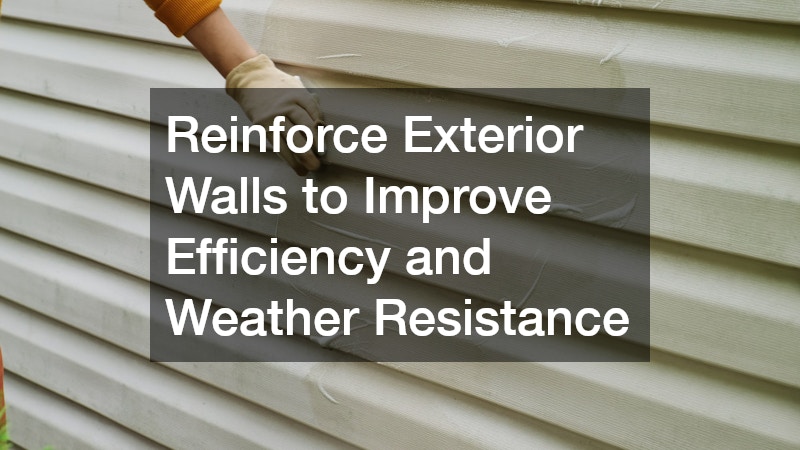
Exterior walls regulate airflow, moisture, and thermal transfer between indoor and outdoor environments. When wall systems fail, energy efficiency declines, and moisture intrusion accelerates material degradation. Small issues, such as gaps around windows or improperly sealed joints, can allow water or air to penetrate, leading to mold growth, rot, or higher energy bills. Walls also provide structural support and impact the longevity of siding, trim, and even roofing materials, so ensuring their integrity is critical.
Working with a qualified siding contractor ensures that wall assemblies are evaluated holistically. Proper preparation includes inspecting sheathing, installing moisture barriers, and coordinating flashing at transitions. These steps prevent trapped moisture and air leaks that shorten material lifespan. Contractors also check for uneven surfaces or deteriorating boards that could compromise the finish or insulation.
Expanded considerations for homeowners include:
- Matching siding materials to climate conditions
- Ensuring compatibility with insulation systems
- Allowing ventilation gaps behind panels
- Avoiding mixed materials that trap moisture
Reinforcing exterior walls after roofing and drainage corrections creates a continuous protective envelope. This improves comfort, reduces energy costs, and strengthens resistance to weather-related wear.
Protect Recreation Features With Proactive Water Monitoring
Outdoor recreation features introduce concentrated water exposure that must be carefully managed. Pools, in particular, interact directly with soil conditions and nearby structures, making proper planning essential.
A well-executed fiberglass pool installation considers grading, backfill compaction, and drainage paths. Without these safeguards, water displacement can destabilize nearby patios, walkways, and structural elements.
Routine pool leak detections provide early warnings that protect the broader property. Even minor leaks can gradually saturate soil, leading to settlement and surface cracking.
Homeowners should also:
- Monitor water levels weekly
- Inspect surrounding surfaces for movement
- Maintain clear drainage channels
- Schedule periodic professional assessments
Proactive monitoring ensures recreational features remain safe, functional, and structurally compatible with the rest of the property.
Secure Property Boundaries Without Disrupting Drainage and Grading
Fencing serves multiple purposes, including privacy, safety, and visual organization of a property. However, fencing interacts directly with soil, slope, and drainage patterns, making its installation more complex than many homeowners expect. Improper placement can unintentionally block natural water flow, leading to pooling, erosion, or shifting posts over time. Beyond structural concerns, poorly planned fencing can also affect landscaping, walkways, and even underground utilities, creating long-term maintenance challenges. Careful planning ensures that the fence complements the property rather than becoming a source of ongoing problems.
A qualified fencing company evaluates the property’s grading before installation begins. This assessment ensures that fence lines align with natural slopes and do not interfere with drainage swales or runoff paths. Post depth, anchoring method, and material selection all play a role in long-term stability. Professionals also consider seasonal soil expansion and contraction to prevent leaning over time.
Homeowners should also consider:
- Allowing space beneath fences in sloped areas for water movement
- Choosing rot-resistant materials in moisture-prone zones
- Coordinating fence layout with driveways and walkways
- Planning access points for maintenance and landscaping
When fencing is integrated thoughtfully into the exterior plan, it enhances function and appearance without creating hidden water or soil problems.
Build Durable Access Points That Handle Load and Weather
Driveways are among the most heavily used exterior features and must withstand constant pressure from vehicles, temperature swings, and water exposure. Failures often occur not at the surface, but beneath it, where poor preparation allows movement and cracking.
Quality driveway paver installation begins with proper excavation and base construction. The depth and composition of the base determine whether the surface remains stable or shifts over time. Drainage beneath and around the driveway is equally important, as trapped moisture weakens structural support.
Experienced driveway paving contractors also account for:
- Vehicle weight and turning patterns
- Freeze-thaw cycles in colder climates
- Soil composition and compaction needs
- Long-term maintenance accessibility
A well-built driveway improves safety, usability, and curb appeal while reducing repair frequency and preserving property value.
Schedule Projects Strategically to Reduce Costs and Downtime
The order in which exterior projects are completed can significantly affect both cost and outcome. Poor sequencing often leads to damage to newly installed features or the need to undo completed work to accommodate later upgrades.
Strategic scheduling minimizes conflicts between trades and protects finished surfaces. Structural and water-management work should always precede cosmetic or surface-level improvements. Heavy construction should occur before detailing and finishes.
Effective scheduling strategies include:
- Grouping related projects to reduce labor overlap
- Allowing cure times before adjacent installations
- Planning weather-sensitive work during optimal seasons
- Coordinating inspections to avoid delays
Thoughtful sequencing saves money, reduces downtime, and ensures each improvement supports the next rather than undermining it.
Vet Contractors to Ensure Long-Term Performance
Even the best exterior plans depend on skilled execution. Contractor selection has a direct impact on durability, safety, and long-term performance. Choosing based solely on cost often results in shortcuts that compromise quality. Even minor mistakes during installation can create cascading problems, leading to early material failure, structural stress, or water intrusion. Taking the time to select the right professionals protects both the home and the investment made in exterior improvements.
Homeowners should evaluate contractors using multiple criteria, including experience, communication, and transparency. Detailed proposals and written scopes of work help prevent misunderstandings and scope creep. Clear timelines, materials specifications, and responsibilities outlined in writing reduce the chance of errors and ensure accountability.
Important vetting steps include:
- Verifying licenses and insurance
- Reviewing past project references
- Clarifying warranty coverage
- Confirming cleanup and site protection plans
Taking the time to vet professionals reduces risk and ensures that each exterior system performs as intended throughout its lifespan.
Build a Preventative Maintenance Plan After Improvements
Maintenance is the bridge between installation and longevity. Even high-quality exterior systems require routine care to perform over time. Without maintenance, small issues escalate into costly repairs. Neglecting seasonal upkeep can lead to water infiltration, material deterioration, and structural stress that could have been avoided with early intervention. Proper maintenance not only preserves function but also extends the lifespan of each system, ensuring that the home remains safe, comfortable, and visually appealing.
A preventative maintenance plan should be tailored to the home’s specific features and climate. Regular inspections identify wear before it becomes damage, allowing for timely intervention. Incorporating a consistent schedule, documenting findings, and addressing minor issues immediately prevents them from growing into larger, more expensive problems. Maintenance also protects warranties, helps prioritize future improvements, and contributes to overall home value.
Key maintenance actions include:
- Seasonal roof and drainage inspections
- Annual siding and sealant checks
- Driveway surface cleaning and joint assessment
- Monitoring grading and soil movement
Documenting maintenance activities helps preserve warranties and provides a clear service history, which can also support resale value.
Comprehensive exterior improvements deliver the greatest return when approached as an interconnected system rather than isolated projects. Structural stability, water management, and thoughtful sequencing form the foundation of long-term protection. Each component, whether it’s the roof, walls, drainage systems, or hardscape, relies on the others to function properly. When one element is neglected or installed without considering its impact on the rest of the property, even the highest-quality materials can fail prematurely, resulting in unnecessary repairs and expenses.
By planning strategically, choosing qualified professionals, and maintaining improvements proactively, homeowners safeguard their investments against preventable damage. This coordinated approach ensures that exterior upgrades continue to protect, perform, and add value for many years to come. Moreover, thinking in terms of the property as an integrated system allows homeowners to make smarter choices about materials, installation methods, and project timing, which can further reduce long-term costs. Regular inspections, preventative maintenance, and timely interventions prevent minor issues from escalating into major problems, preserving both the home’s functionality and its aesthetic appeal. Ultimately, a holistic approach transforms exterior improvements from temporary fixes into lasting investments, providing peace of mind, enhancing comfort, and securing the home’s value for the future.