An HVAC system is crucial in maintaining a comfortable home environment, ensuring optimal temperature and air quality. Over time, even the most efficient systems can suffer wear and tear, leading to diminished performance. Recognizing the signs that your HVAC system needs repair or maintenance can save you time and money while preventing inconvenient breakdowns. Regularly scheduled HVAC repairs can also extend the lifespan of your unit, making it a worthwhile investment in the long run.
Unusual Noises and Odors
One of the first signs that may suggest your HVAC system requires a tune-up is the presence of unusual noises. Hearing grinding, squealing, or banging sounds when the unit is operational indicates that something is amiss.
These noises can result from loose components, worn belts, or a malfunctioning motor, all of which necessitate professional HVAC repairs. Ignoring such sounds could eventually lead to more significant damage and costly repairs. Therefore, it’s important to address these auditory warnings promptly.
In addition to strange noises, unusual odors emanating from your HVAC system can also signal a problem. A musty smell often indicates mold or mildew growth within the ducts, which can compromise your home’s air quality. Alternatively, a burning smell might suggest overheating components or even wiring issues, which require immediate attention. An experienced technician should investigate these odors as they may pose health risks or fire hazards if left unattended.
Furthermore, any persistent odor should not be ignored, as it may exacerbate over time. Regular maintenance checks can help identify and rectify these issues early, ensuring your system operates safely and efficiently. Routine HVAC repairs not only address current problems but also help prevent future ones, providing peace of mind. Early detection and intervention are key to maintaining your HVAC system’s performance and longevity.
Inconsistent Temperature Regulation
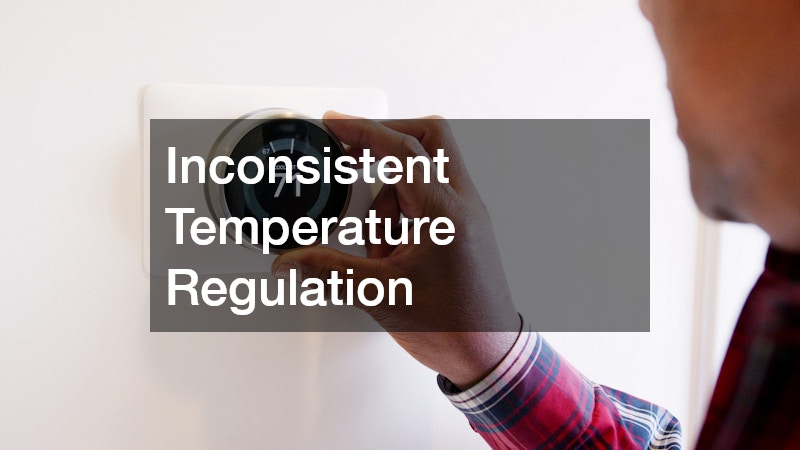
Another indication that your HVAC system might need a tune-up is inconsistent temperature regulation within your home. If certain rooms are much colder or warmer than others, this could point to a ductwork issue or a malfunctioning thermostat. Such inconsistencies often occur when there is a blockage or leak in the ductwork, hindering proper airflow. This issue can be further compounded by an inaccurate thermostat that fails to communicate effectively with your HVAC system.
Frequent cycling of the HVAC system is another symptom of temperature regulation problems. If your system turns on and off more frequently than usual, it may be struggling to maintain the desired temperature. This can lead to increased energy consumption and elevated utility bills, making it essential to address the problem promptly. HVAC repairs focusing on the thermostat and ductwork can enhance system efficiency and ensure a more consistent indoor climate.
Scheduling regular inspections and tune-ups can prevent these temperature-related issues from arising. Addressing minor problems before they escalate can save you from costly repairs and ensure optimal energy efficiency. A professional technician can diagnose and fix the underlying causes of inconsistent temperature regulation, prolonging the performance and reliability of your HVAC system. Regular maintenance checks not only prevent discomfort but also contribute to a more environmentally friendly home.
Increased Energy Consumption
Another telltale sign that your HVAC system might be in need of a tune-up is an unexpected increase in energy consumption. If you notice your energy bills spiking without a corresponding increase in usage, your HVAC system might be working harder than necessary. Factors such as clogged filters, leaky ducts, or an aging system often contribute to reduced efficiency and higher energy costs. Frequent HVAC repairs and maintenance can help mitigate these issues, ultimately saving you money.
Ignoring higher energy consumption can result in more serious mechanical failures in the future. Prolonged overworking of the system strains the components, thereby reducing their lifespan and leading to costly replacements. Regular tune-ups allow technicians to identify and resolve energy consumption issues, optimizing the unit for better performance. Addressing these concerns promptly not only lowers energy bills but also contributes to the overall resilience of the system.
Routine HVAC repairs emphasize proactive maintenance, ensuring that your system remains energy-efficient throughout its operational life. This involves cleaning or replacing filters, sealing duct leaks, and potentially upgrading to a more efficient model if deemed necessary. Taking these steps helps reduce your carbon footprint, aligning with green initiatives while providing a comfortable and cost-effective home environment. Investing in regular tune-ups ultimately yields long-term savings and sustainability.
Recognizing the signs that your HVAC system needs a tune-up is essential to maintaining a comfortable and efficient home. Unusual noises, odors, inconsistent temperatures, and increased energy consumption are key indicators that should not be overlooked. Regular HVAC repairs provide early detection of problems, preventing costly breakdowns and ensuring optimal performance. By investing in routine maintenance, you prolong the life of your HVAC system and contribute to a more sustainable lifestyle. A well-maintained HVAC system not only enhances comfort but also protects your investment, offering peace of mind in the process.