The homes we live in are much more than mere collections of bricks, mortar, and timber; they are the backdrops to our daily routines, the sanctuaries where we raise our families, and the personal spaces where we retreat to recharge after demanding days. However, as the years march on, architectural trends shift, technologies advance, and household dynamics naturally evolve. A residential layout that felt perfectly adequate a decade or two ago can quickly feel restrictive, dark, and poorly aligned with the realities of modern life. With the rise of remote work schedules, hybrid schooling, and an increased focus on seamless indoor-outdoor entertaining, the traditional, highly segmented floor plans of the past are rapidly giving way to open, light-filled spaces that prioritize versatility.
When homeowners notice their properties no longer meet their lifestyle needs, the desire to transform those spaces is completely natural. Yet, the prospect of executing a comprehensive upgrade can be highly intimidating. True modernization is far more complex than applying superficial cosmetic cover-ups or swapping out old furniture. It requires an intelligent, holistic strategy that addresses the house’s fundamental structure and upgrades hidden infrastructure for optimal efficiency. It incorporates high-utility design elements that permanently boost both your home equity and your daily quality of life.
To complete a major interior overhaul without succumbing to paralyzing stress, costly delays, or budget blowouts, you need a logical, phased blueprint. A successful modernization project must be treated as a methodical journey that intentionally balances heavy construction work with precise, high-end design elements. This in-depth guide provides you with a practical, step-by-step framework to navigate the renovation landscape, taking you from the initial raw demolition work all the way down to the final luxurious design flourishes that make a house truly feel like a home.
Executing Safe Tear-Downs and Structural Changes

Assess Load-Bearing Barriers and Manage Structural Material Removal
The hallmark of a truly modern home is an open-concept living layout that allows natural light to flow uninterrupted from the front windows straight through to the backyard glass sliders. Achieving this expansive, airy feel typically requires the complete removal of restrictive interior walls that divide kitchens, dining rooms, and main family areas. However, swinging a sledgehammer into an old wall without proper engineering preparation is incredibly dangerous and can lead to catastrophic ceiling sagging, cracked drywall on upper floors, or structural collapse.
Before a single piece of drywall is broken, you must determine whether the barriers you want to eliminate are load-bearing partitions supporting the weight of your roof or second story. Navigating this initial phase safely demands heavy equipment and trained expertise. Hiring a licensed demolition contractor is essential to ensure that load-bearing walls are safely braced with temporary headers during the tear-out phase. These specialists can accurately identify complex hidden pathways where main electrical conduits, HVAC trunk lines, or plumbing stacks are running, ensuring they are safely rerouted before heavy structural dismantling begins.
Beyond the physical manipulation of the house’s frame, managing the massive volume of debris generated during a complete interior gutting project is a major logistical challenge. A comprehensive tear-out will quickly produce tons of broken plaster, rotted framing studs, rusty nails, and old flooring materials. Having a professional crew handle the removal process guarantees that waste is sorted safely, hazardous materials like old lead paint or asbestos are managed according to strict environmental protocols, and the workspace is left completely clean. Understanding the fundamental engineering behind home construction prevents costly mistakes that could compromise the stability of your upper floors, ensuring your new open layout rests on a safe foundation.
- Critical structural steps to take before commencing demolition:
- Obtain official municipal building permits to guarantee your structural plan meets current safety codes.
- Shut off the main water valves and isolate electrical circuits running through the target walls.
- Set up heavy-duty dust containment barriers and negative-air fans to protect the rest of your living areas.
- Procure commercial-grade waste containers to handle the immediate disposal of heavy debris.
Optimizing the Structural Envelope and Energy Efficiency
Upgrade Hidden Wall Cavities to Maximize Climate Control and Lower Utility Bills
When you have stripped your home down to its exposed wooden studs, you are presented with a unique, high-value window of opportunity that most homeowners overlook. It is a massive mistake to rush into hanging new drywall just to get to the cosmetic phases of a project. The period when your wall cavities are completely open is the absolute best time to upgrade your home’s internal infrastructure, addressing comfort and efficiency issues that are impossible to fix once the walls are sealed up again.
Modern comfort relies heavily on how effectively your home controls thermal transfer and acoustic noise. Upgrading your wall cavities with modern spray-foam or rockwool insulation significantly cuts down on noise transfer while permanently lowering monthly energy bills. High-quality insulation acts as a protective blanket, sealing air leaks around exterior framing and keeping your home warm in the winter and cool in the summer. Furthermore, adding acoustic-grade batts to interior bedroom and bathroom walls prevents the sound of televisions, running appliances, and flushing pipes from traveling across your household, creating a peaceful indoor environment.
To ensure that these hidden mechanical upgrades are executed seamlessly alongside your efficiency goals, you need a cohesive management plan. A reputable remodeling company will always insist on sealing drafts and inspecting wiring before hanging new drywall panels. They will take the time to run modern data cables, upgrade old plumbing lines, and ensure that your mechanical systems are fully optimized. This proactive approach prevents future scenarios where you might have to cut through fresh paint and new plaster to fix a leaky pipe or an outdated electrical wire.
Revitalizing High-Traffic Culinary Spaces
Focus on Layout Workflow, Smart Appliance Integration, and Premium Storage
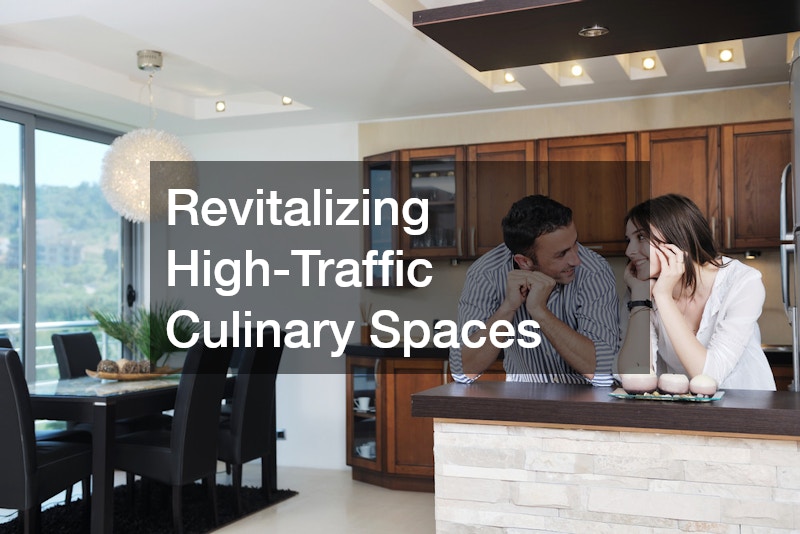
Once the walls are closed up, insulated, and smoothly plastered, you can turn your attention to the true heart of the modern home: the kitchen. In contemporary residential design, the kitchen is no longer a hidden, isolated utility room meant solely for food preparation; it is the central social hub where the family gathers, homework is completed, and guests congregate during parties. Because this space handles so much daily activity, a modern kitchen overhaul yields some of the highest financial returns at resale.
The layout of a modern culinary space must prioritize efficient movement, built around an optimized work triangle that connects your refrigerator, cooking surface, and primary sink. Shifting away from dark, heavy wood cabinets, modern design embraces clean, flat-panel or shaker cabinetry that extends all the way to the ceiling to maximize storage space. Investing in a professional kitchen remodeling service allows you to optimize a cramped footprint into a social hub with an expansive center island. These custom islands can feature under-counter microwave drawers, integrated wine fridges, and breakfast bar seating that keeps the cook connected with the rest of the household.
To finish the space beautifully, the color palette and textures must tie into the surrounding open-concept rooms seamlessly. Tying the custom cabinetry together with a flawless round of residential painting on the surrounding trim creates a polished, cohesive aesthetic. Using durable, low-sheen, washable paints on the walls ensures that grease spatters and cooking oils can be wiped away easily without damaging the finish. Incorporating hidden under-cabinet LED strip lighting, quartz countertops, and smart appliances completes the transformation, delivering a space that is as functional as it is visually striking.
- High-value features to integrate into a modern family kitchen:
- Soft-close drawer glides and cabinet hinges to eliminate loud slamming in an open floor plan.
- Pull-out trash and recycling centers are hidden completely within the lower cabinetry line.
- Deep, single-basin stainless steel or granite composite workstation sinks with integrated cutting boards.
- Smart refrigerators and ovens that can be monitored and controlled remotely via your smartphone.
Transforming Bathrooms into Personal Oasis Zones

Maximize Natural Light, Incorporate Premium Tile, and Upgrade Wet Spaces
The secondary priority for any major interior modernization project should always be the bathrooms, particularly the primary master suite. Modern bathroom design has undergone a major shift in purpose over the last several years. Homeowners are no longer content with standard, uninspired fixtures; instead, they want to transform these essential spaces into luxury, spa-like retreats where they can unwind and escape the stresses of daily life.
Modern bathroom renovations focus heavily on creating curbless walk-in designs that improve both accessibility and luxury appeal. Eliminating bulky, outdated plastic shower tubs opens up the floor plan, allowing you to run beautiful porcelain or natural stone tile continuously across the entire room. Incorporating built-in stone benches, recessed shampoo niches, and multi-function shower heads—such as rainfall panels and handheld sprayers—turns a daily routine into an indulgent experience.
Achieving this clean look requires eliminating bulky visual barriers that make small master bathrooms feel cramped and dark. Installing heavy glass frameless showers instantly opens up the visual space, allowing your custom tile work to take center stage. Because these minimalist enclosures eliminate thick metal frames, they allow natural light from bathroom windows to illuminate the entire room, creating an open, bright feel. When paired with floating vanities, backlit LED mirrors, and modern water-saving toilets, your bathroom transforms into a sleek, high-end oasis that feels like a boutique hotel.
Upgrading Underfoot Surfaces for Style and Longevity
Select Hard-Wearing, Continuous Finishes That Tie Your Layout Together
One of the most powerful ways to create a sense of design continuity across an open-concept home is through your choice of flooring. Running different flooring materials from room to room—such as carpet in the living area, vinyl in the hallway, and tile in the kitchen—cuts the house up visually, making the overall layout feel smaller, disjointed, and dated. Modern design utilizes a singular, continuous material across the entire main floor, establishing a long visual line that makes the home feel expansive.
Before any new material can be laid down, the preparation of the subsurface is critical. Completing a precise floor installation requires meticulous acclimation of raw materials to your home’s unique moisture levels. Technicians must use specialized leveling compounds to eliminate low spots in the subfloor, screw down loose plywood to stop squeaks, and verify that the base is perfectly dry. Skipping these foundational steps will lead to shifting planks, separating joints, and loud, annoying squeaks whenever someone walks across the room.
When it comes to selecting a material that balances timeless luxury with long-term durability, natural wood remains the undisputed leader. Partnering with a specialized hardwood flooring service guarantees that your natural wood planks are perfectly sanded, stained, and sealed with a durable topcoat. Professional installers can guide you toward wide-plank options that minimize joint lines, expanding the visual scale of your rooms. Whether you choose a light, airy European oak or a rich, classic walnut, a professionally finished hardwood floor can be sanded and refinished multiple times across generations, outlasting synthetic alternatives.
- Key reasons to choose continuous wide-plank flooring:
- It eliminates dangerous tripping hazards caused by uneven transitions between different rooms.
- It creates a clean visual flow that makes narrow hallways and small rooms feel substantially larger.
- It simplifies your daily cleaning routine by eliminating the need to switch between different vacuums and floor adjusters.
- It significantly improves indoor air quality by removing old carpets that harbor dust mites and pet dander.
Designing Intelligent Lighting Schemes

Layer Your Illumination Profiles to Enhance Comfort and Artistry
With your structural changes complete, your walls beautifully painted, and your new flooring laid down, the final element required to bring your modernized living spaces to life is an intelligent, layered lighting plan. All too often, homeowners treat lighting as an afterthought, installing a few generic overhead fixtures that cast harsh, flat shadows across a room. A truly modern home treats light as an artistic medium, using it to define different functional zones within an open layout, highlight architectural details, and set the emotional mood of the household.
An effective, contemporary lighting strategy relies on blending three distinct layers of illumination: ambient, task, and accent lighting. Ambient lighting serves as your baseline illumination, typically delivered through discreet, recessed LED ceiling cans that distribute a soft, even glow across the entire room without drawing attention to the fixtures themselves. Task lighting is introduced to provide focused, high-intensity illumination over specific work surfaces, such as hanging pendant lights over a kitchen island, a directional lamp in a home office nook, or bright vanity fixtures surrounding a bathroom mirror. Finally, accent lighting adds drama and depth by highlighting specific design features, such as directional art lights focused on a favorite painting, or subtle LED strip lights nestled inside floating wall shelves.
Conclusion
Modernizing your living spaces is a profoundly rewarding investment that breathes fresh energy, utility, and comfort into your daily family life. By approaching your renovation as a structured journey, you ensure that your design dreams are built upon a completely safe and code-compliant foundation. Entrusting your initial wall removals to certified structural experts gives you a secure canvas, while optimizing your open wall cavities with modern insulation guarantees long-term energy savings and acoustic peace.